The anime Naruto has inspired generations of viewers with its story of an outcast who refuses to abandon his dreams, and a study examining the series has renewed discussion about how fictional heroes can influence young audiences. Titled Naruto: A Study of Resilience and Growth in Japanese Animation, the 2025 research explores how the franchise portrays perseverance, emotional endurance, and personal development through its characters.
The findings resurfaced in online discussions in October 2026, attracting attention from fans who grew up watching Naruto Uzumaki overcome rejection and repeated setbacks. While excessive screen time can raise concerns about children’s well-being, the study focuses on the potentially constructive themes found within a story rather than suggesting that anime alone can improve psychological health.
Naruto begins his journey as an orphan in Konohagakure, the Hidden Leaf Village. Frequently isolated and misunderstood, he dreams of becoming Hokage, the village’s leader, and earning the respect of those who once rejected him.
That journey forms the foundation of the study’s discussion about resilience and personal growth.
NARUTO’S REPEATED FAILURES HIGHLIGHT THE IMPORTANCE OF PERSEVERANCE
In the study, authors Alfin Rosyidha and Naila Rohmah of Universitas Diponegoro in Indonesia analyze the anime through psychological theories of resilience, post-traumatic growth, and the Hero’s Journey. Their research was published in KIRYOKU, Volume 9, Issue 2, in October 2025.
The researchers describe the series as more than a conventional coming-of-age story, writing,
“Naruto is much more than a simple coming-of-age story; it is a narrative deeply rooted in themes of resilience, perseverance, and personal growth.”
Naruto’s character development illustrates this idea through his experiences with isolation, rejection, and failure. Rather than succeeding because of natural talent alone, he continues training, learns from his mistakes, and works toward earning the trust of his village.
The study uses these experiences to explore how stories can represent resilience as something developed through adversity, rather than an ability people necessarily possess from birth.
MENTORS AND FRIENDSHIPS ARE CENTRAL TO THE STUDY
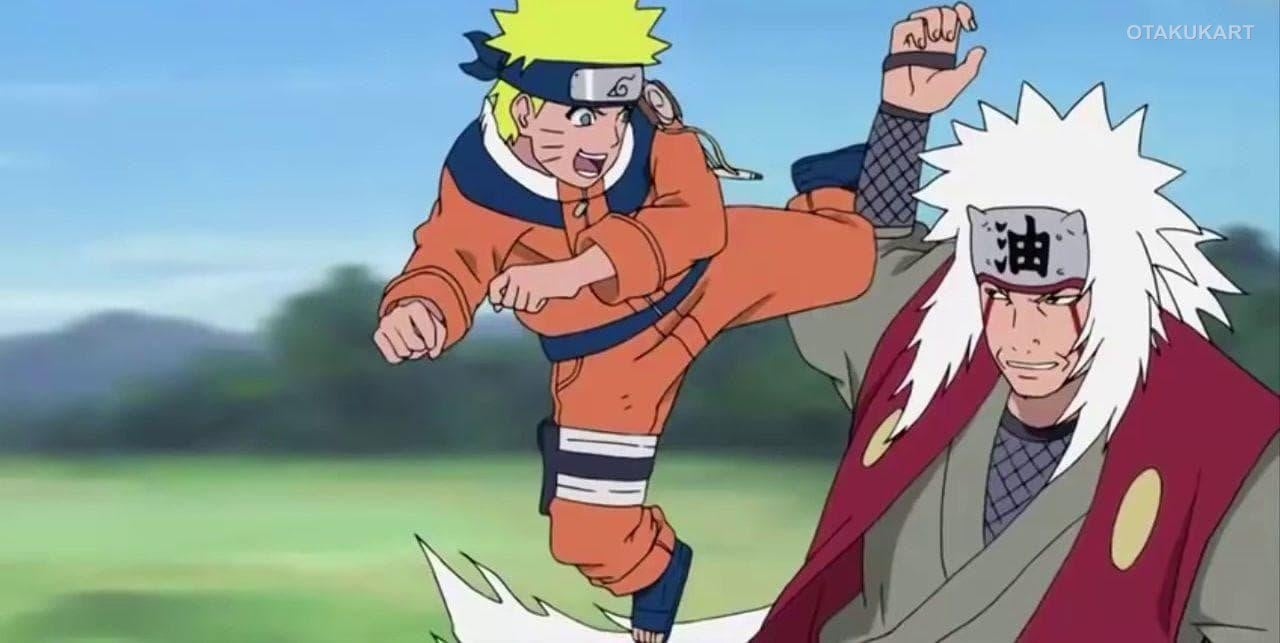
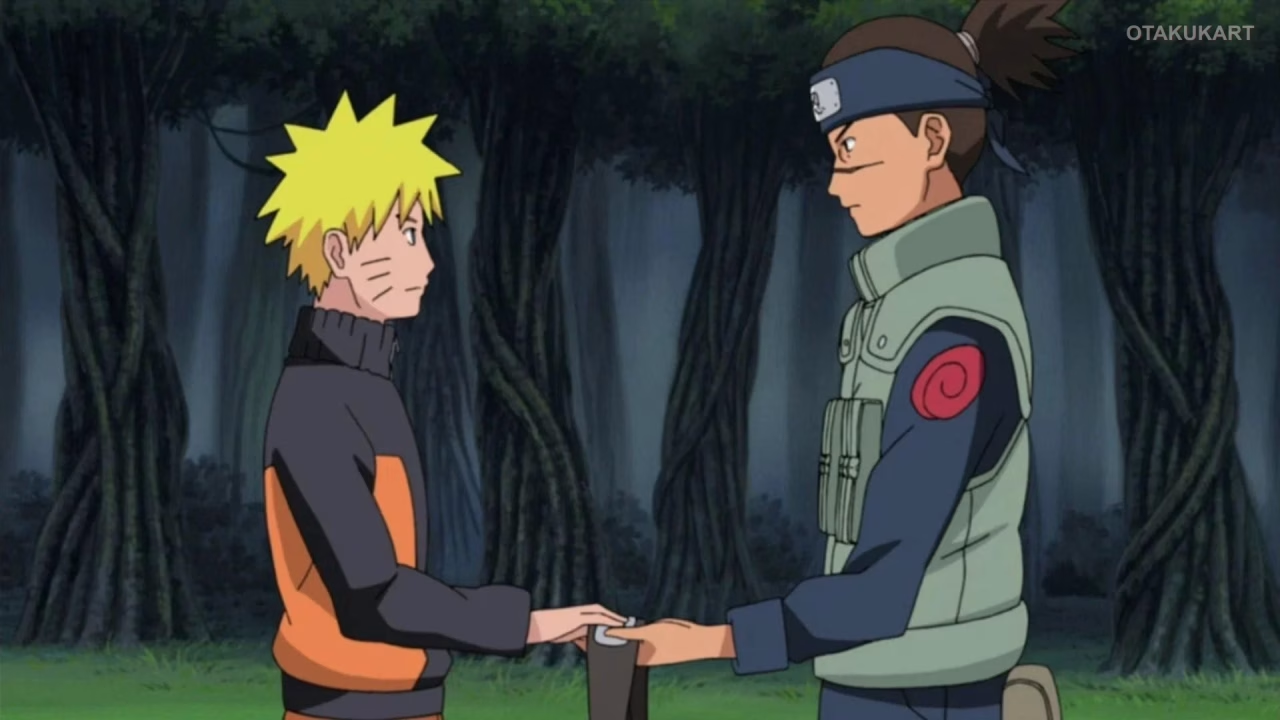
The research also emphasizes the importance of relationships in Naruto’s development. Iruka Umino is among the first people to acknowledge Naruto, while Kakashi Hatake and Jiraiya provide guidance as he develops his abilities and understanding of responsibility.
Jiraiya’s death becomes a particularly important moment in Naruto’s emotional journey. The character must confront grief while deciding how to continue pursuing his goals and honoring his mentor’s legacy.
The study also contrasts Naruto’s development with Sasuke Uchiha’s journey, exploring how trauma, isolation, relationships, and personal purpose can shape different responses to hardship.
DOES THE STUDY PROVE NARUTO MAKES CHILDREN MORE RESILIENT?
The research offers an analysis of the anime’s themes, not a clinical study measuring the mental health of people who watched it as children. It therefore does not prove that Naruto viewers handle stress better than people who grew up watching other shows.
Instead, the authors argue that the series provides a useful example of how fictional narratives can explore perseverance, emotional growth, mentorship, and the importance of social connections. These themes may resonate with viewers who have experienced rejection or personal setbacks, although their real-world effects require separate research.
The renewed interest in the study highlights how Naruto continues to connect with audiences long after its original run, particularly through its portrayal of an underdog who keeps moving forward despite repeated obstacles.