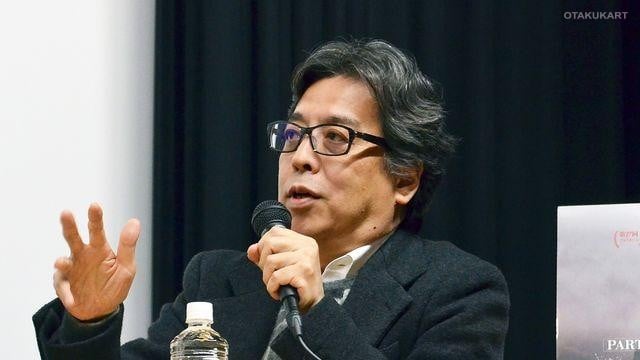
Japanese manga artist and conservative commentator Yoshinori Kobayashi has filed a lawsuit against the Japanese government over a revised Imperial House Law that permits certain male descendants of former imperial family branches to be adopted into the Imperial Family. The lawsuit, filed at the Tokyo District Court on October 26, 2026, argues that the legislation violates the Constitution’s guarantee of equality under the law.
According to Kyodo News, Kobayashi is seeking to have the revised provisions declared unconstitutional and invalid. He is also demanding 1 million yen in damages, claiming the government proceeded despite concerns raised by constitutional scholars.
The legal challenge comes as Japan faces growing pressure to address the declining number of Imperial Family members while retaining its traditional male-only succession system.
WHY KOBAYASHI IS CHALLENGING THE IMPERIAL HOUSE LAW
The revised legislation was enacted in July 2026 and took effect on October 24. It allows unmarried men aged 15 or older, without children, from 11 former imperial branches to enter the Imperial Family through adoption, provided they meet the specified eligibility requirements.
These branches left the Imperial Family in 1947. Although the newly adopted men would not themselves be eligible to ascend the Chrysanthemum Throne, their male descendants could potentially qualify under the succession system.
Kobayashi argues that restricting eligibility to people from these former branches creates an unequal legal category based on family origin. Speaking at a press conference after filing the lawsuit, he warned,
“Creating a special class for former imperial branch families would introduce a new class system in Japan. That is a serious problem,”
Kyodo News reported.
His legal argument centres on Article 14 of Japan’s Constitution, which guarantees equality under the law and prohibits discrimination based on family origin.
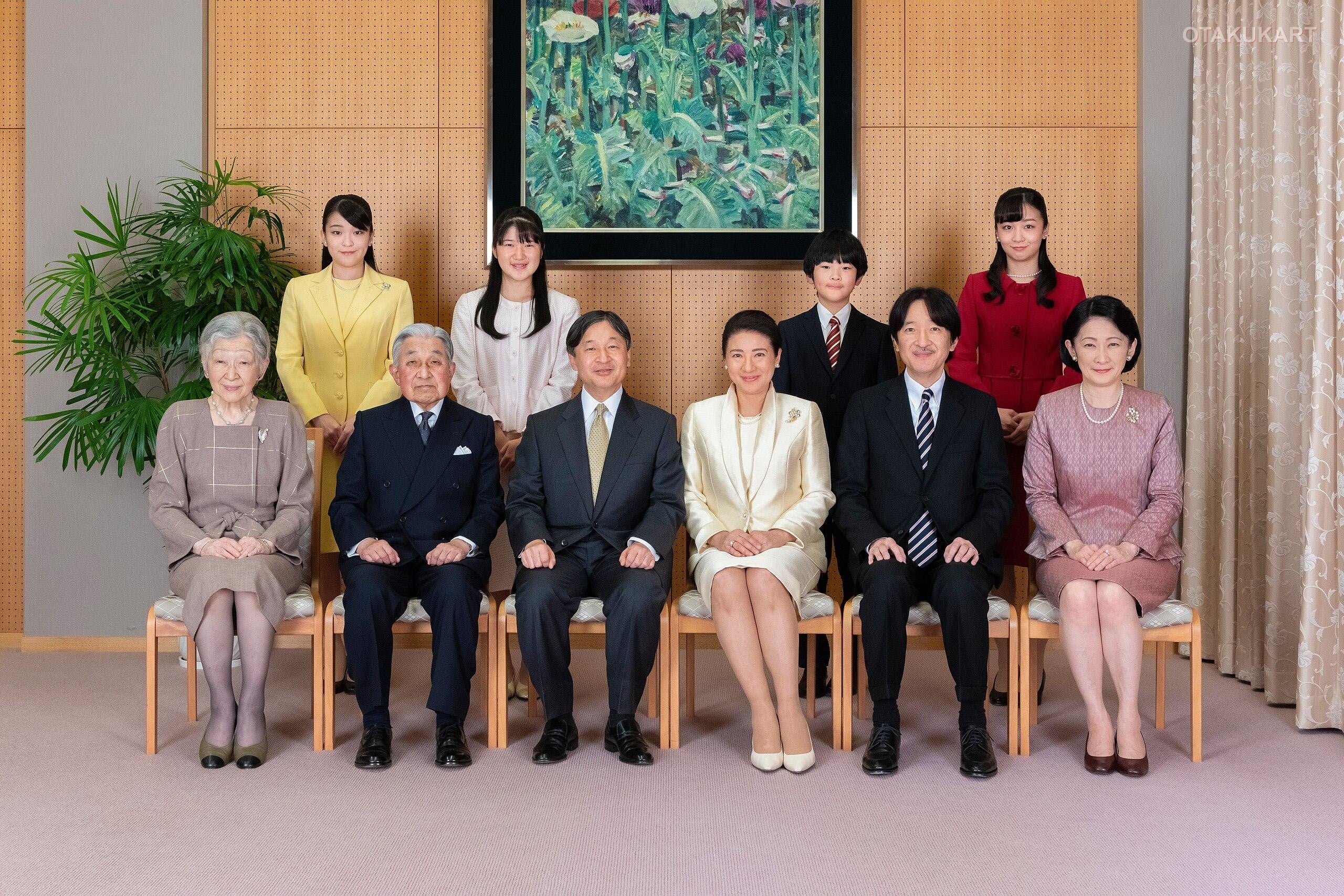
The government introduced the changes to address the shrinking Imperial Family and the limited number of eligible male heirs. The revised law also allows female members of the Imperial Family to retain their status after marrying commoners, although their husbands and children do not automatically become members of the family. It does not permit women to inherit the throne or establish succession through the maternal line.
The succession issue remains particularly pressing because Crown Prince Fumihito is next in line after Emperor Naruhito, while Prince Hisahito is the only eligible heir in the younger generation. The reform seeks to preserve the existing male-line system while expanding the pool of potential future imperial family members.
Kobayashi contends that lawmakers proceeded despite constitutional concerns raised by experts advising the government. His lawyer, Rintaro Kuramochi, acknowledged that winning the case would be difficult but argued that legal action was necessary to challenge the legislation.
The court proceedings could bring renewed scrutiny to the balance between preserving Japan’s imperial traditions and upholding constitutional equality. No ruling has been reported at the time of writing.