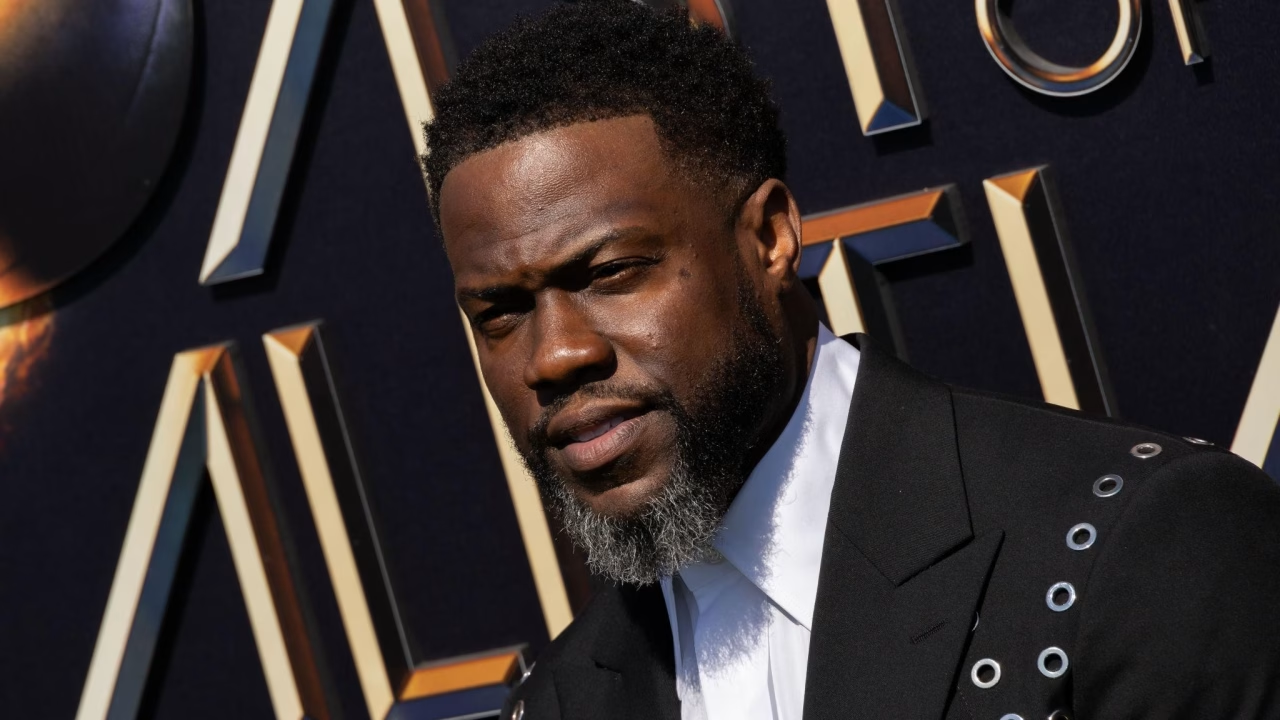
Kevin Hart has responded to the growing backlash surrounding Netflix’s The Roast of Kevin Hart, making it clear that he does not want to be held responsible for jokes made by other comedians during the event. The controversy centers around a set performed by Tony Hinchcliffe, which included a remark referencing George Floyd that quickly sparked outrage online.
The moment gained traction across social media, with many viewers criticizing the joke as insensitive given the context of Floyd’s death in 2020. As the debate intensified, Hart addressed the issue during an appearance on The Breakfast Club, where he attempted to clarify his position on both the joke and the nature of roast comedy.
“Remove Me From It”: Hart Distances Himself From the Joke
Hart’s strongest response came when he directly addressed criticism aimed at him for allowing the joke to be part of the event. He pushed back against the idea that he should be held accountable for another performer’s material.
“Stop talking as if I said it,”
Hart said, emphasizing that he was not the one delivering the controversial line.
“Remove me from it. I didn’t say it. If you are upset that the night went on, that’s a different conversation.”
His comments underline a key point in the ongoing debate: the distinction between hosting or being the subject of a roast and actively participating in every joke made during it. Hart made it clear that, from his perspective, the responsibility lies with the individual comedian performing the material.
Acknowledging the Joke Went Too Far
While distancing himself, Hart did acknowledge that the joke itself crossed a line for many viewers. He admitted that the reference to George Floyd was not well-received and recognized why audiences reacted strongly.
“Yeah, the George Floyd joke, it wasn’t a tasteful joke to our culture, to our audience,”
he said. At the same time, he argued that people who watch roast specials generally understand the type of humor involved.
Hart framed the situation as part of a long-standing tradition in comedy, where roasts are designed to push boundaries and provoke reactions. However, his comments suggest that even within that context, certain topics can still generate significant backlash.
Defending Roast Comedy as a Genre
A major part of Hart’s response focused on explaining the nature of roast comedy itself. He pointed out that controversial jokes are not new to the format and have been a defining feature of similar events for years.
“You get why the racial humour is on the table… that’s what they do,”
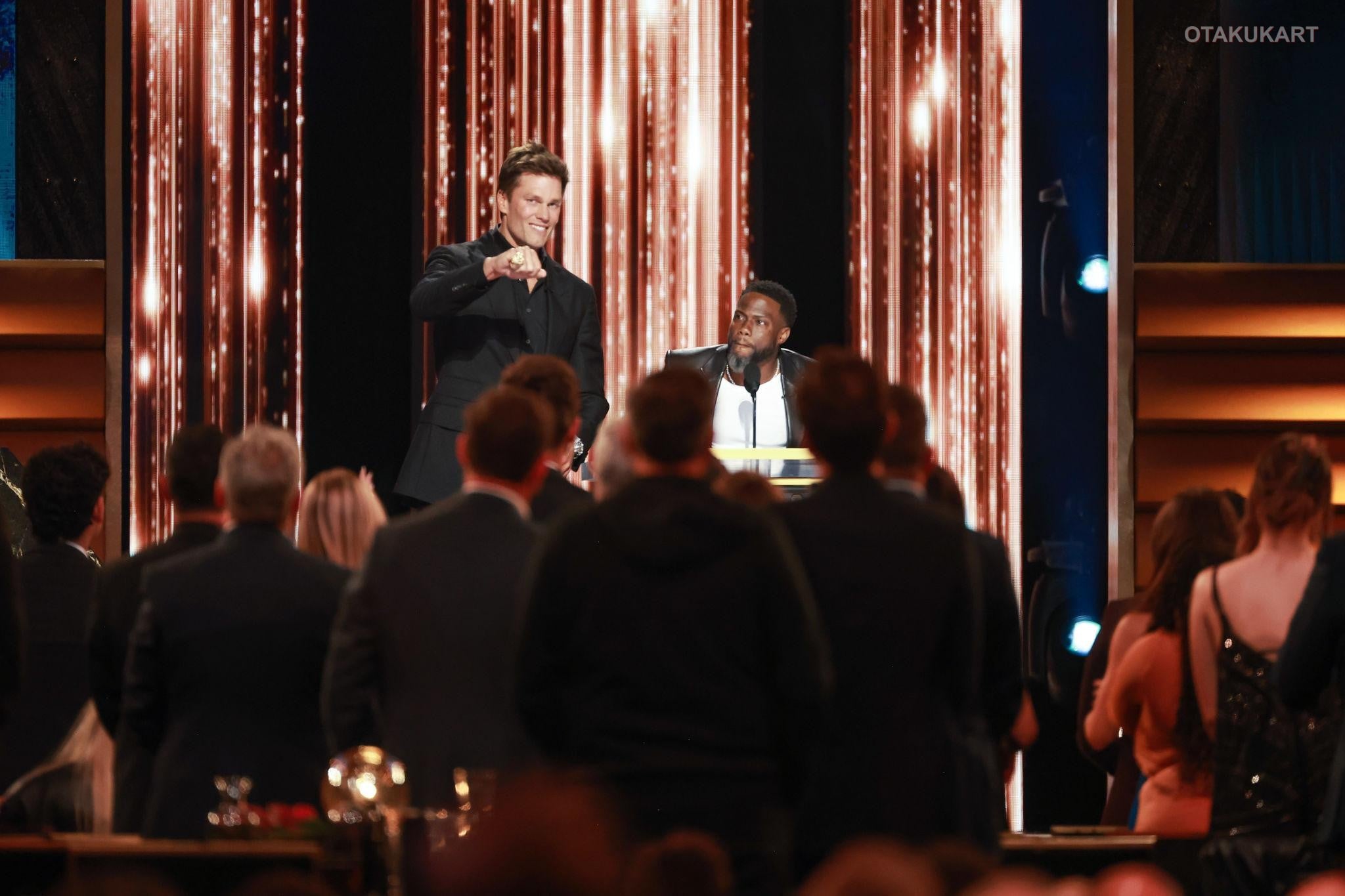
Hart said, referencing past roast specials like The Roast of Tom Brady. He emphasized that audiences who tune into these events generally expect comedians to test limits and explore uncomfortable topics.
This defense highlights the tension between creative freedom in comedy and evolving audience expectations. While roasts have traditionally thrived on shock value, modern audiences are increasingly critical of jokes that touch on sensitive real-world issues.
Praising Performances While Drawing Personal Boundaries
Despite the controversy, Hart did not criticize the comedians who performed during the event. In fact, he praised Hinchcliffe’s set, calling it one of the strongest of the night. He also highlighted other performers, including Pete Davidson, for delivering memorable moments.
“Tony Hinchcliffe arguably had the best set,”
Hart said, adding that he understood the style of humor each comedian brought to the stage. However, he made it clear that appreciation for performance does not mean endorsement of every joke.
“Would I tell those jokes? No,”
he said.
“But do I get why they’re being told? Yes.”
This distinction allowed Hart to maintain support for the performers while reinforcing his personal boundaries regarding the content.