James Cameron’s Alita: Battle Angel continues to find new life beyond its original theatrical run. The 2019 science-fiction action movie is once again drawing attention as it becomes available through premium video-on-demand platforms in September 2026, giving viewers another opportunity to experience the cyberpunk adventure at home.
Directed by Robert Rodriguez and produced and co-written by Cameron, Alita: Battle Angel combines futuristic world-building with large-scale action and a coming-of-age story. The movie stars Rosa Salazar as the titular cyborg alongside Christoph Waltz, Jennifer Connelly, Mahershala Ali, and Keean Johnson.
Alita’s Story Remains the Movie’s Biggest Attraction
Set centuries after a devastating war, the movie follows Alita, a damaged cyborg discovered in a scrapyard by Dr. Dyson Ido. After repairing her, Ido helps her adjust to a life she can barely remember. As Alita searches for answers about her past, she begins to uncover the extraordinary abilities hidden within her mechanical body.
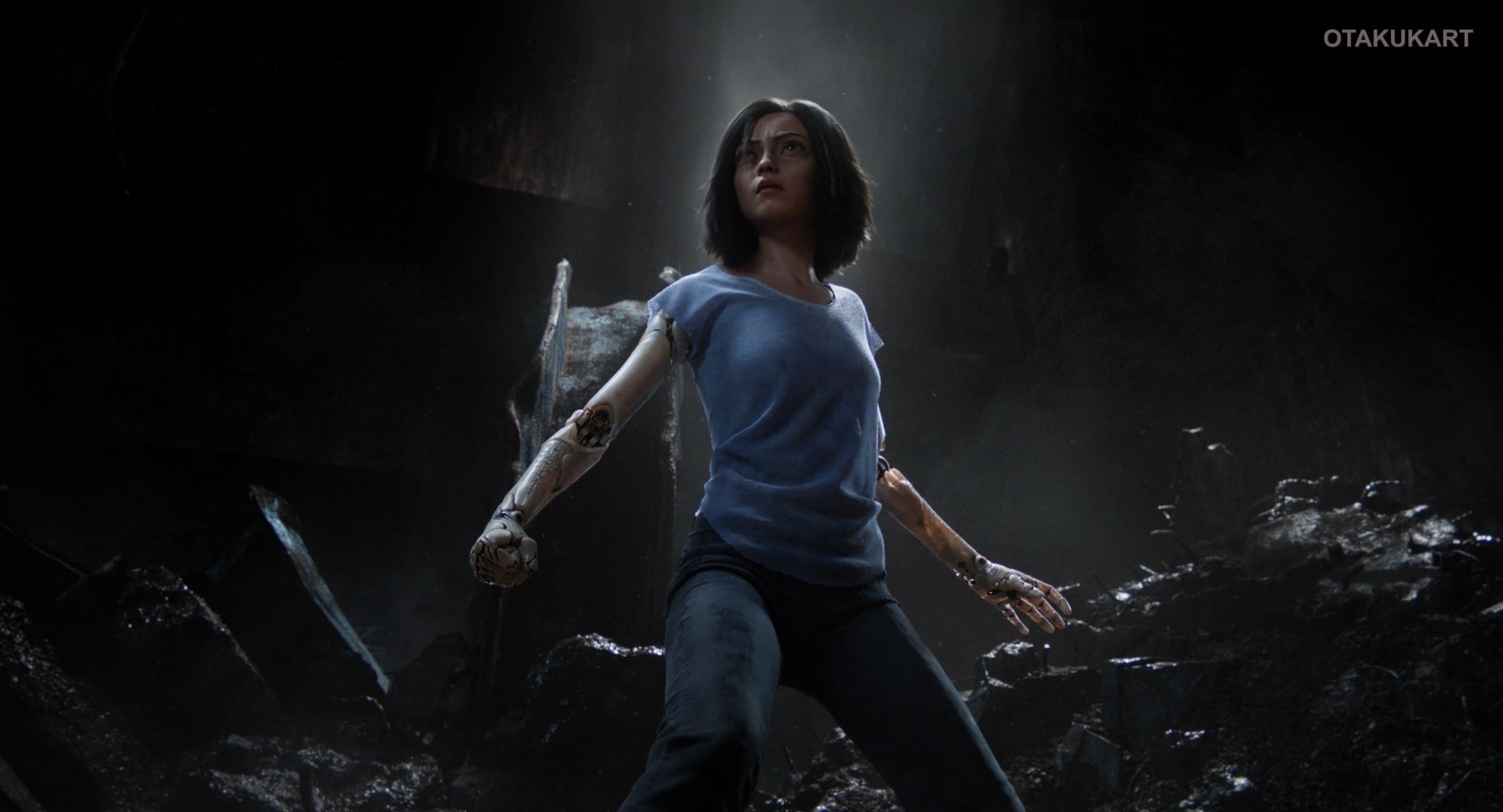
Her search for answers eventually places her in conflict with dangerous bounty hunters and powerful figures controlling Iron City.
The film was adapted from Yukito Kishiro’s manga Gunnm, known internationally as Battle Angel Alita. Cameron had been developing a live-action version for years before Rodriguez ultimately took over as director. That long development period helped shape the movie’s elaborate futuristic setting and its emphasis on computer-generated character work.
Rosa Salazar Helped Make the Cyborg Hero Feel Human
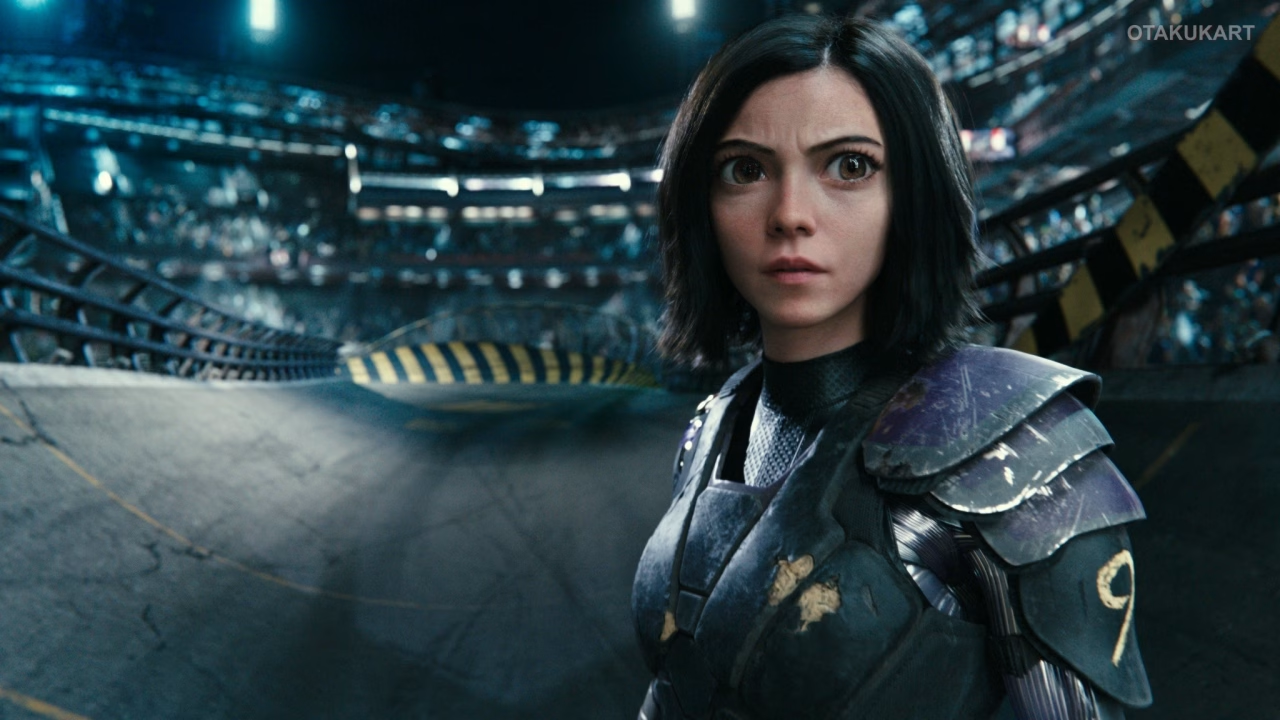
Making Alita feel like a real character was one of the film’s biggest challenges. Rosa Salazar used performance capture, which helped the visual-effects team recreate her expressions and movements for the digital character.
The result helped distinguish Alita from many other digitally created action heroes. Her oversized anime-inspired eyes were deliberately retained from Kishiro’s original artwork, while the rest of her design was developed to fit the film’s photorealistic world.
The movie’s visual effects were handled by Weta Digital, contributing to elaborate sequences involving Alita’s combat abilities and the futuristic Motorball competition.