HBO’s newest Spanish-language series, Like Water for Chocolate, must contend with two significant influences. The first is Laura Esquivel’s important novel, which is a classic in Hispanic literature and one of the best examples of Mexican magical realism.
The second influence is the 1992 film version starring Lumi Cavazos and Regina Torné. This film is still considered a key part of the New Mexican Cinema movement from the late 20th century.
Because of these influences, we can say that Like Water for Chocolate starts with a disadvantage. How can one improve on something that seems perfect? If you ask anyone who has read the 1989 novel or seen the 1992 movie, they will say that both are very close to perfection.
However, I admire the HBO series not just for trying but also for daring to present something new with a story that might seem outdated. After two episodes, it has not yet fully met its high expectations, but it is clear that HBO’s Like Water for Chocolate is a bold reinterpretation of a classic. For that reason alone, it deserves respect.
What Is Like Water for Chocolate About?
For those who are not familiar, Like Water for Chocolate is set in the early 20th century during the Mexican Revolution. It tells the story of Tita de la Garza, played by Azul Guaita, who looks wide-eyed and a bit too polished. Tita is a remarkable cook with strong emotions.
She lives in her family’s hacienda, Las Palomas, under the strict control of her cruel mother, Mamá Elena, played by Irene Azuela. Tita loves Pedro Muzquis, played by Andrés Baida.
He is the handsome son of a wealthy hacienda owner who returns her feelings. There is just one problem: Mamá Elena hates Tita and has decided that she will never marry. Instead, Tita must stay by her side, taking care of her until she dies.
When Pedro asks for Tita’s hand in marriage, he is firmly rejected. Mamá Elena, not wanting to waste a good marriage proposal and a generous dowry, instead offers him the hand of her eldest daughter, Rosaura, who is more timid and plain. Pedro realizes that marrying Rosaura is the only way to remain close to Tita. He accepts the proposal, starting a series of events that will shape their lives for many years.
The cast also includes Andrea Chaparro as Tita’s other sister, Gertrudis; Ángeles Cruz as the family cook, Nacha; Mauricio García Lozano as Pedro’s father, Don Pedro Muzquiz; and Francisco Angelini as the kind Dr. Brown. The series is produced by the talented Oscar nominee Salma Hayek Pinault, along with José Tamez and Siobhan Flynn.
Like Water for Chocolate Doesn’t Immediately Find Its Spark
At first glance, Like Water for Chocolate might seem like a story from the past. The plot is deeply rooted in traditional Mexican small-town values, where people often do what they are told without question. Mamá Elena treats Tita harshly, showing little regard for her daughter’s feelings and causing significant emotional harm.
Despite this, Tita responds with quiet obedience, saying only “Yes, mama.” This attitude is still present in many parts of rural Mexico, where parents hold great power, and their actions—whether harmful or not—are often seen as justified.
Tita’s love for Pedro adds another layer to the story. He claims to love her but still agrees to marry her sister. This creates a unique and potentially controversial twist on the traditional love story. It raises questions about how younger viewers, who may not have read the book, will react to this relationship.
In the novel, Tita and Pedro’s love feels destined rather than developed. Their connection is so intense that it transcends explanation. The 1992 film struggles to capture this mystical bond, and the HBO series does as well, at least in the first two episodes.
While Baida and Guaita are both attractive and skilled actors, their chemistry is lacking. The depth of Tita and Pedro’s love needs to shine through, especially as the plot progresses. So far, it has not sparked a strong connection.
Like Water for Chocolate’s Biggest Standout Character Is Its Antagonist
Baida and Guaita perform well as individuals, though they do not quite stand out. Guaita faces a more challenging task since Lumi Cavazos’ portrayal of Tita created a lasting impression on many romantics. Although Guaita’s Tita is lacking in some areas, she appears comfortable in her role, and I believe she will grow into it as Tita faces more significant challenges later in the story.
For Baida, his role as the male lead poses challenges as well. In the HBO adaptation, he is portrayed as a revolutionary with a strong sense of morality and justice for the less fortunate.
This contrasts with the character in the book, who lacks this depth. The change is understandable because, without it, Pedro might come off as too much of a “nice guy,” making it difficult for modern audiences to connect with him.
As the story unfolds, I am curious to see how Like Water for Chocolate incorporates the revolutionary elements. In the book, the conflict mainly serves as a backdrop. When the revolution finally reaches Las Palomas, it is a brief and apolitical moment, depicting revolutionaries more as bandits than as justice seekers.
However, the show appears committed to highlighting the fight of laborers against the government, marking an important turning point in Mexican history that helped shape the nation.
Unsurprisingly, the standout character in the first two episodes of Like Water for Chocolate is Azuela. She brings a powerful performance as the tyrannical Mamá Elena, showcasing her cruelty and venomous nature.
Regina Torné did an impressive job in the 1992 movie, but Azuela offers a fresh take that is just as brutal but less melodramatic. Becerril and Chaparro also shine, with Becerril skillfully portraying Rosaura as a constant but understated presence. She is always there but often overlooked.
Like Water for Chocolate’s Kitchen Needs More Attention
The first two episodes of Like Water for Chocolate have two main issues. The first is the lack of focus on Tita’s cooking. Cooking is an essential part of the story and is often associated with it.
However, it is not showcased as much as it should be. This important aspect should have been celebrated and fully integrated into the narrative, but it feels more like a hobby of Tita’s instead of her passion.
The second issue is the show’s more subdued approach to magical realism. This genre turns the ordinary into the extraordinary and highlights the magic in everyday moments. Magical realism helps us realize that the world is full of charm and mystery. A word can be more than just a word, and a kiss can symbolize a promise. The essence of magical realism includes atmosphere and visuals, and I wish Like Water for Chocolate understood this aspect better.
Despite these shortcomings, the series tries hard and mostly succeeds. It may challenge viewers and frustrate them with Tita’s choices, but that is part of the story’s intent. Like Water for Chocolate shows frustration as a fundamental part of life and how different characters respond to it.

For Tita, frustration takes the form of a quiet longing for the love she believes she has lost forever. For Mamá Elena, it manifests as hatred, a bitter desire to make others as miserable as she feels. Rosaura feels resentment, realizing she will always be in Tita’s shadow.
Nacha experiences resignation, accepting a life that did not live up to her dreams. In Like Water for Chocolate, frustration is a constant presence, and this HBO adaptation does a commendable job of portraying that.
At its core, Like Water for Chocolate serves as a tribute to life’s cruelties and a reminder that they cannot be avoided. However, there is hope because magic exists in every corner, and a simple bite of delicious food can change one’s fate if one is open to it. If HBO’s adaptation can grasp this concept, it will honor Esquivel’s literary masterpiece. If it fails to do so, viewers can always revisit the original novel.
The Broader Context of Like Water for Chocolate
Understanding the significance of Like Water for Chocolate requires knowledge of its cultural and historical context. Laura Esquivel wrote the novel in the late 1980s, a time when Mexico was undergoing significant political and social changes. The story reflects the tensions of the Mexican Revolution, which was not only a conflict for land and power but also a fight for social justice and equality.
The themes of love, family, and tradition are crucial in the story. Tita’s struggle against her mother’s oppressive authority is a reflection of the fight for individual freedom against rigid societal norms. This resonates with many viewers, especially those familiar with similar struggles in their own cultures.
HBO’s adaptation aims to show these themes while introducing contemporary issues such as gender roles, family dynamics, and the impact of societal expectations on personal happiness. By doing so, the series hopes to connect with modern audiences while remaining true to the essence of the original story.
The Significance of Cooking in the Narrative
Cooking is not just a pastime for Tita; it is a way for her to express her emotions and connect with those around her. In the novel, her cooking has magical qualities, influencing the emotions of those who eat her food. This connection between food and feeling is a hallmark of magical realism, but the HBO adaptation has yet to emphasize this aspect fully.
The kitchen is a place where Tita can assert her identity, even when her mother tries to suppress it. Each dish she prepares reflects her innermost feelings and desires, and the absence of this focus in the adaptation diminishes the richness of her character. For audiences unfamiliar with the novel, this lack of attention to Tita’s culinary skills may result in a less profound understanding of her character and the full narrative.
Addressing Modern Themes in Like Water for Chocolate
HBO’s Like Water for Chocolate also seeks to address modern themes that resonate with today’s audiences. The series tackles issues such as gender equality, personal autonomy, and the struggle against traditional expectations. In a world where women’s roles are often defined by their relationships to men, Tita’s story becomes a powerful narrative of self-discovery and empowerment.
The character of Mamá Elena embodies traditional values that can be seen as oppressive. By showcasing Tita’s struggle against her mother’s authority, the series sheds light on the importance of breaking free from societal constraints. This message is particularly relevant in contemporary discussions about gender roles and the empowerment of women.
Furthermore, the series delves into the complexities of love and relationships. Tita’s love for Pedro challenges the notion of romantic love as purely joyful. Instead, it presents love as a source of pain, longing, and sacrifice. This nuanced portrayal allows viewers to engage with the characters on a deeper level and reflect on their own experiences with love.
The Role of Magical Realism in the Adaptation
Magical realism is a crucial aspect of Like Water for Chocolate, providing a lens through which the story’s emotional depth and cultural significance can be understood. However, the HBO adaptation has faced criticism for its handling of this genre. The magic inherent in Tita’s cooking and the surreal elements of the narrative are essential to capturing the spirit of the original work.
In the novel, magical realism upgrade everyday experiences, allowing readers to see the beauty and wonder in the mundane. It transforms ordinary moments into extraordinary ones, enriching the narrative and deepening the emotional impact. This aspect has not been fully realized in the HBO series, which risks losing some of the story’s charm and depth.
To effectively convey the essence of magical realism, the adaptation must find a way to integrate these elements seamlessly into the story. This involves not only focusing on Tita’s cooking but also infusing the narrative with the surreal and the extraordinary, creating an immersive experience for viewers.
A Look Ahead: The Future of Like Water for Chocolate
As Like Water for Chocolate progresses, it will be interesting to see how the series evolves. The initial episodes have set the stage for a compelling story filled with rich characters and emotional depth. However, there is still much work to be done to fully realize the potential of this adaptation.
In particular, it will be essential for the series to strengthen the connections between characters, especially Tita and Pedro. Their love story is central to the narrative, and the emotional bond between them must be depicted in a way that resonates with audiences.
As the plot unfolds, the show has the opportunity to show the complexities of their relationship, providing viewers with a deeper understanding of their motivations and desires.
Additionally, the show can benefit from further scheme of the themes of empowerment and rebellion against tradition. As Tita faces her challenges, her growth as a character should reflect the journey of many women who seek to break free from societal constraints. This journey can serve as an inspiration for viewers, making the adaptation more relevant and impactful.
Conclusion: A Journey Worth Taking
HBO’s Like Water for Chocolate is a bold reinterpretation of a beloved classic. While it faces challenges in living up to the legacy of the novel and the 1992 film, the series holds promise. It aims to present a fresh perspective on the story while showing themes that resonate with modern audiences.
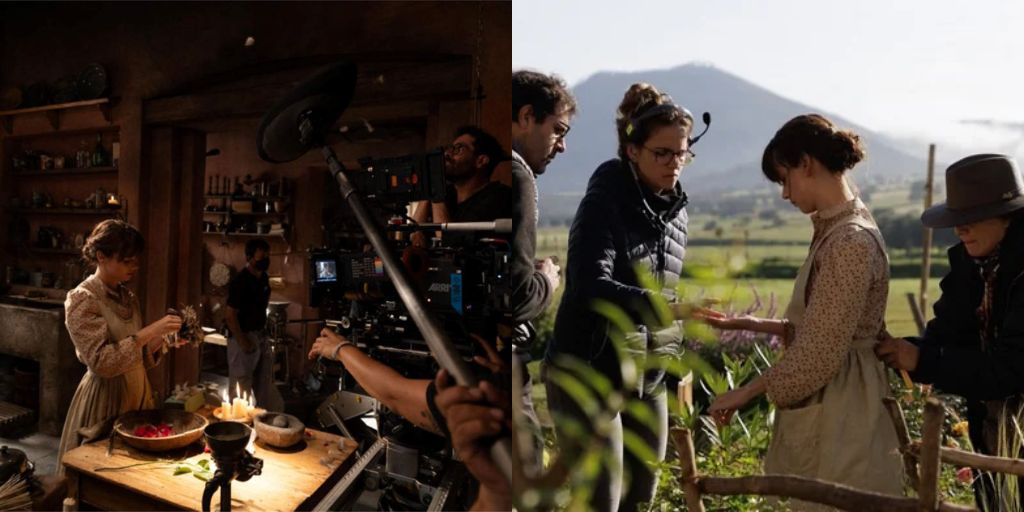
As the series unfolds, viewers will have the chance to witness Tita’s journey of self-discovery, love, and resilience. With the potential for deeper character connections, a stronger focus on cooking, and a better understanding of magical realism, Like Water for Chocolate could honor Esquivel’s literary masterpiece while standing on its own as a meaningful adaptation.
As it prepares to debut on Max on November 3, audiences are encouraged to watch and see how this adaptation unfolds. Whether it achieves its ambitious goals remains to be seen, but the journey promises to be engaging and thought-provoking.