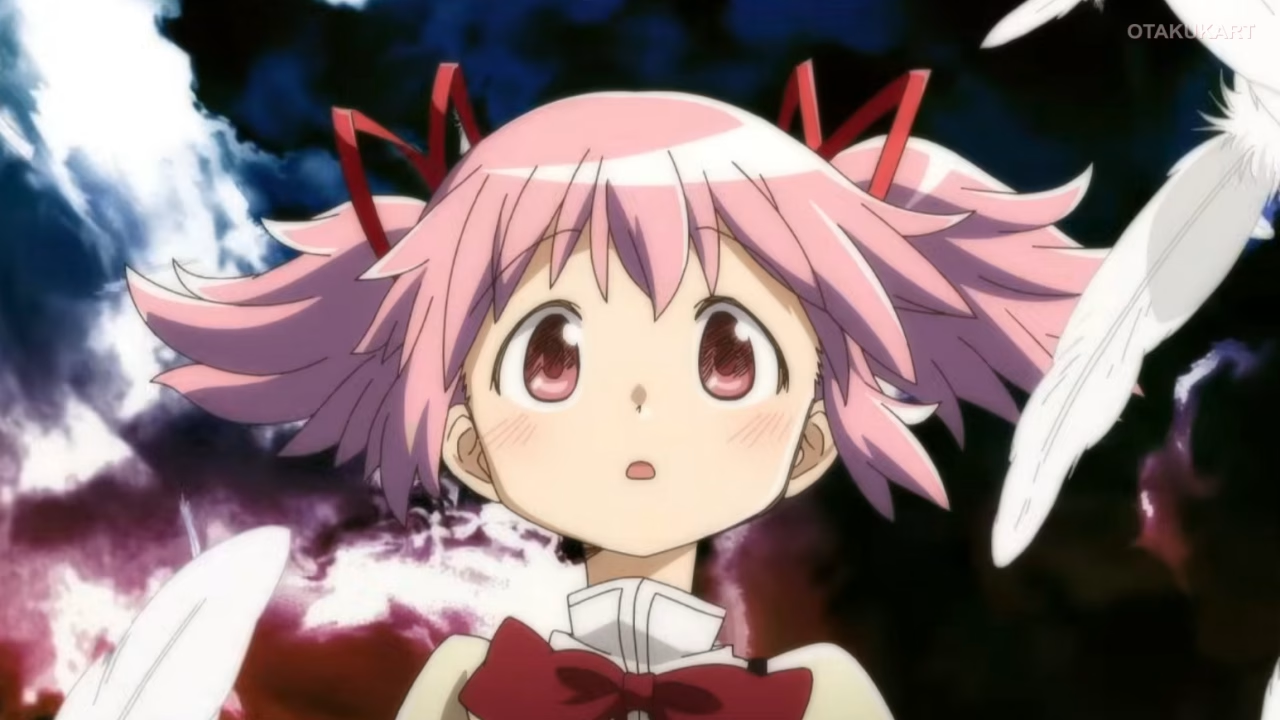
Puella Magi Madoka Magica the Movie: Walpurgisnacht Rising has finally reached theaters after years of production and delays, giving fans a new chapter in the story that began with the original anime and continued through Rebellion. Now, writer Gen Urobuchi has revealed that the film’s ending went through significant discussions before the production team ultimately returned to his original plan. The major change was not the story’s fundamental direction, but how its conclusion was presented to audiences.
In a recent interview with Kyodo News, Urobuchi discussed the film’s unusually long development, his return to the Madoka Magica franchise, and how the final version became less brutal than his first draft. The comments offer a rare look at how one of anime’s most anticipated sequels evolved behind the scenes.
Urobuchi’s Original Ending Was Almost Replaced
Urobuchi explained that he initially stepped away from anime because he felt he had run out of ideas, instead spending time working on tokusatsu projects. His return to Madoka Magica came when Gekidan Inu Curry approached him with an extensive notebook filled with ideas for the sequel.
According to Urobuchi, roughly 90% of the film’s major material had already been established, including the concept surrounding Nazuka Sokotsune and Walpurgisnacht. His primary task was to develop the ending.
That process became complicated after Urobuchi completed his initial version. Director Akiyuki Shinbo wanted to reconsider the conclusion, and the production reportedly discussed having another writer create a completely new ending. Eventually, however, the team returned to Urobuchi’s original direction several years ago and began revising it rather than abandoning it entirely.
The most significant revelation is that Urobuchi believes the basic flow of his ending remains largely intact. Instead, the production adjusted how the events unfold on screen to make the conclusion feel less punishing.
“The flow is pretty much the same up until the midway point,”
Urobuchi explained, adding that he felt the team had reworked the material to
“offer a sense of salvation.”
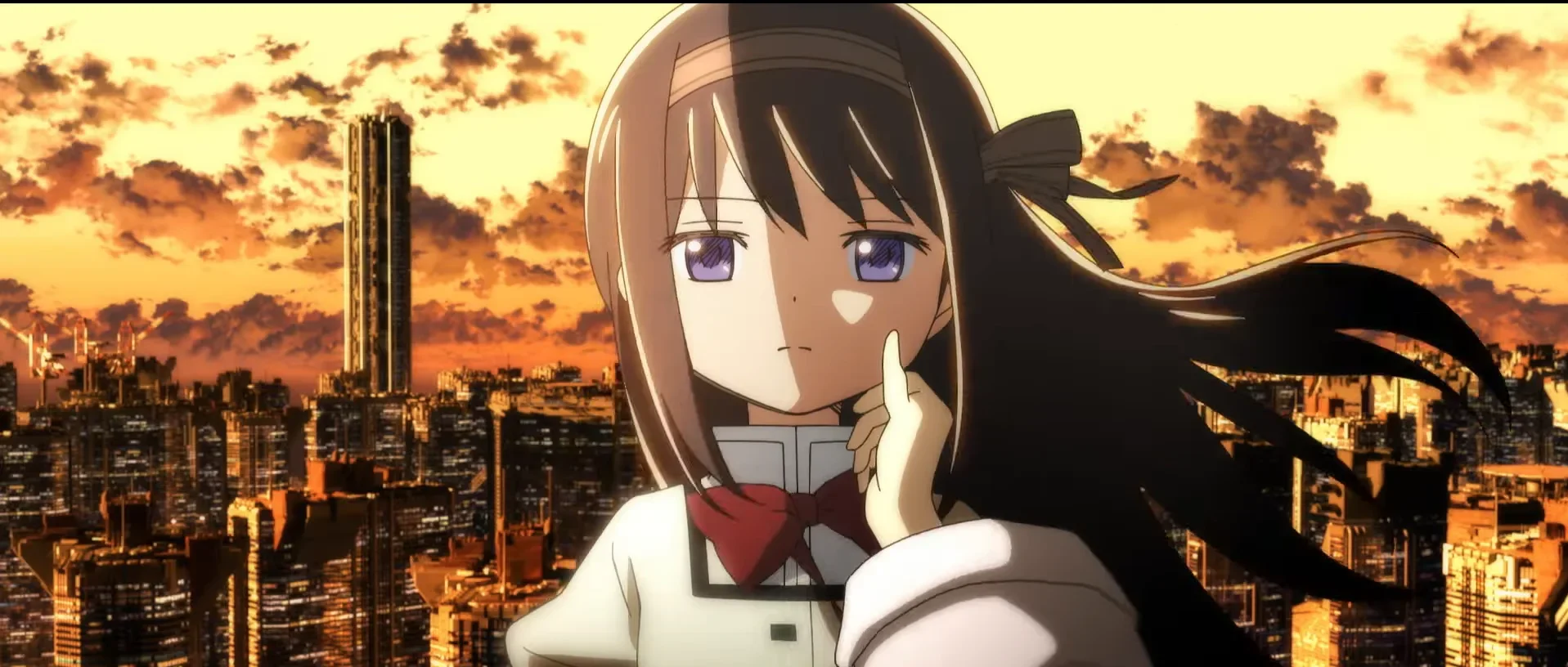
That change is particularly notable given Urobuchi’s reputation for emotionally devastating stories. He acknowledged that his usual approach involves removing characters from the story and creating shocking developments, but said Walpurgisnacht Rising deliberately avoided some of those harsher moments.
He ultimately viewed the changes positively, saying the decision to tone down the cruelty made the movie
“a much lighter watch.”
A Different Kind of Madoka Magica Ending
The comments also help explain why Walpurgisnacht Rising can feel different from what longtime viewers might expect from Urobuchi. Rather than simply replacing his original ending, the production appears to have preserved its central ideas while changing the emotional weight of the conclusion.
The film premiered in Japan on August 28, 2026, nearly 13 years after Madoka Magica the Movie Part III: Rebellion. It has also screened in Taiwan, while theatrical releases have been confirmed for Argentina, Hong Kong and Germany. An English-language theatrical release remains to be announced.
Urobuchi has also recently reflected on how much the world has changed since he originally wrote Madoka Magica. In a separate interview, he said he does not think he could write the original series in the same way today because he finds it harder to understand what younger people who grew up with smartphones and social media fear and desire.