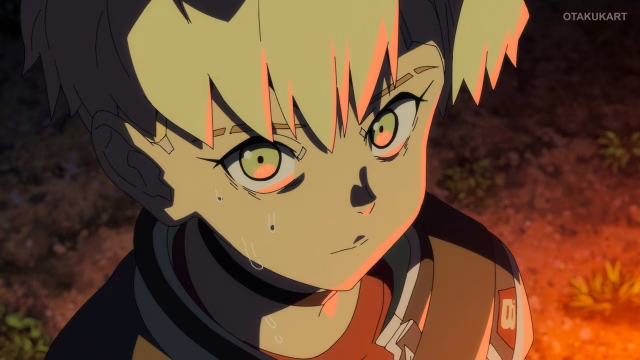
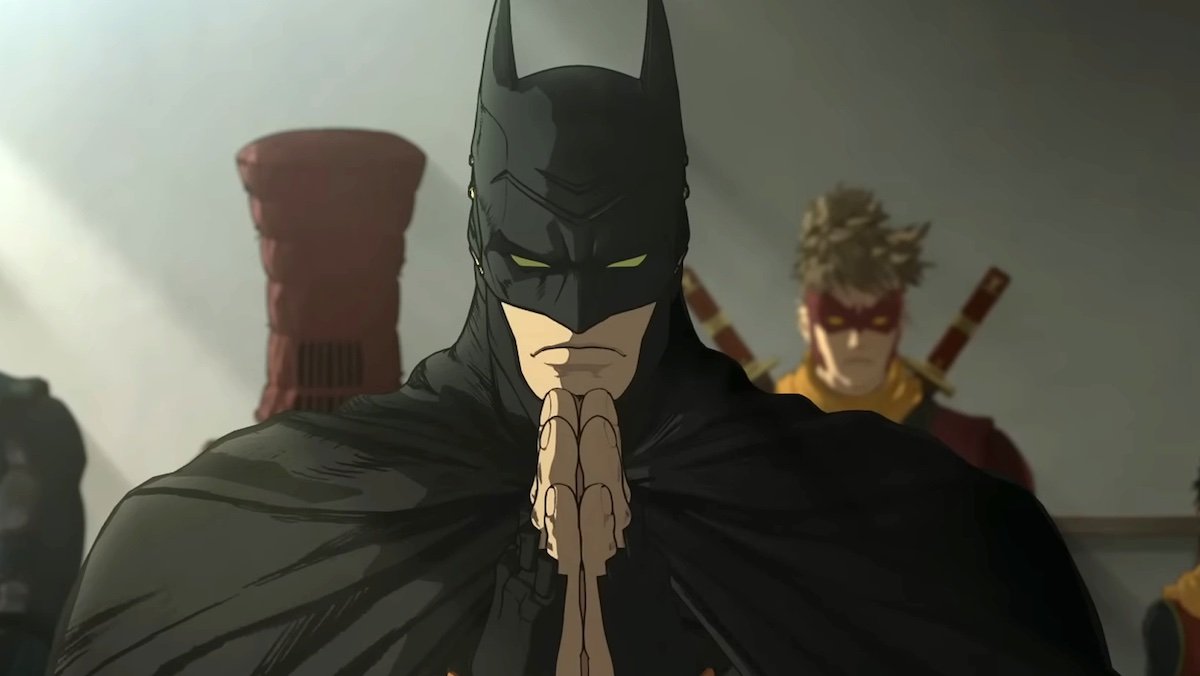
Discussing recent controversies around animation quality, it’s impossible to ignore the vocal criticism flooding platforms like Reddit and X.
Long-running anime series like “One Punch Man” and Western superhero hits such as “Invincible” recently came under fire after new seasons launched with starkly inconsistent visuals and rushed keyframes.
Users described moments where characters seemed off-model, backgrounds froze, or fight scenes lost the kinetic spark that defined previous seasons.
This trend isn’t isolated; similar complaints have surfaced regarding the direction of “One Piece” episodes or the digital overhaul of classic Cartoon Network properties, with side-by-side GIFs and breakdowns circulating through fan communities to chronicle the decline.
The passionate fanbase doesn’t just critique; it dissects. Users speculate whether new projects are being staffed by junior artists or suffering from a shift in priorities.
One common accusation is that studios spend more money securing guest voice actors or celebrities than refining the animation itself, treating visual storytelling as disposable so long as the headline cast is strong enough to attract viewers.
Seasons that previously built online buzz with fluid fight sequences now reduced to static images or recycled walk cycles are quickly written off as “intern work” by frustrated fans.

This stewing discontent often spills into broader discussions about the value animation brings.
Also Read: History on Trial: Why Nuremberg’s Latest Film Leaves Audiences Divided
Some claim that “style matters more than quality”; others lament the loss of soul in both anime and Western series, suggesting that studios prioritize hype cycles and regular content drops, allowing visual craftsmanship to slide in favor of meeting content demands.
For many, episodes used to be an event; today, they’re seen as rush jobs, more disposable with every streaming season drop.
Studios Speak-Profit Pressures, Outsourcing, and Quality Claims
Studio executives, on the defensive, tend to lay the blame on tightening budgets and the demands of streaming schedules. In interviews and statements cataloged by Reddit and industry commentators, they argue that consistent, high-quality animation costs more than viewers or platforms are willing to pay.
Many cite shrinking returns from streaming subscriptions and changing audience habits; box office numbers that used to support lush visuals have given way to direct-to-streaming releases, where profit margins simply don’t justify expensive production values.
Outsourcing, a much-debated solution, is both savior and scapegoat. Animation studios increasingly farm out sequences to overseas shops, aiming to balance cost with delivery speed.
According to experts in the field, outsourcing is not inherently a quality risk; rather, results depend on clear communication, process transparency, and milestone-based oversight.
Well-managed studios can supply full animation teams, rapid style range adaptation, and deadline resilience, even leveraging global talent to fill specialized roles.
However, when parts of a project are handed hastily to external studios or instructions are vague, corners get cut, and the end product suffers.
Cost-saving can become counter-productive if insufficient quality checks and revision cycles are built into the system: studies reveal that up to 60% of outsourced projects require costly fixes unless process controls are rigorously applied.
There is also a perception, echoed in professional circles and user debates, that quality drops are inevitable with outsourcing, although many of the most acclaimed series created for Apple, Google, and Nike have relied successfully on international teams.
Studio defenders point out the logistical headaches of in-house animation. Animation teams face utilization roller-coasters, narrow style expertise, technology and training costs, and deadline crises if anyone gets sick or unavailable.
Maintaining a consistent visual standard demands not just money but a flexible structure that allows for specialist support, brand consistency, and real-time feedback, a tall order as project timelines contract and profit requirements remain inflexible.
Worker Voices -The Human Cost Behind the Frames
Underneath complaints about stiff walk cycles or “slide show” action scenes lies a boiling labor reality. Animators, both in the US and overseas, talk frankly about burnout, crunch time, and the pressures of ever-shorter production windows.
Reddit threads recount how teams are overworked and under-supported, sometimes losing jobs to cheaper overseas providers or finding themselves trapped in endless revision rounds with little creative payoff.
Worker testimonies describe a cycle of hiring freezes, layoffs, and job relocations as studios restructure for leaner operations.
High-profile franchises can be especially punishing, animators report entire story arcs shunted through with limited resources, showrunners prioritizing quick delivery over craft, and the creeping adoption of generative AI tools to automate segments typically managed by full creative teams.
Meanwhile, freelance and contract animators face uncertain pay, tight revision deadlines, and the expectation to match house style without sufficient training or context.
Fans and animation workers alike now demand more transparency from studios; unions and collectives calling for better negotiation terms and standardization of production schedules have gained increasing relevance, especially as digital animation becomes the norm and job mobility shrinks.
For many workers, it’s not about dismissing outsourcing altogether, but improving oversight, clear communication, and fair pay steps seen as critical for reversing downward industry trends.
Also Read: The Stage Gets Bigger: KPop Demon Hunters Joins Forces With Barbie Owners for Merch Empire