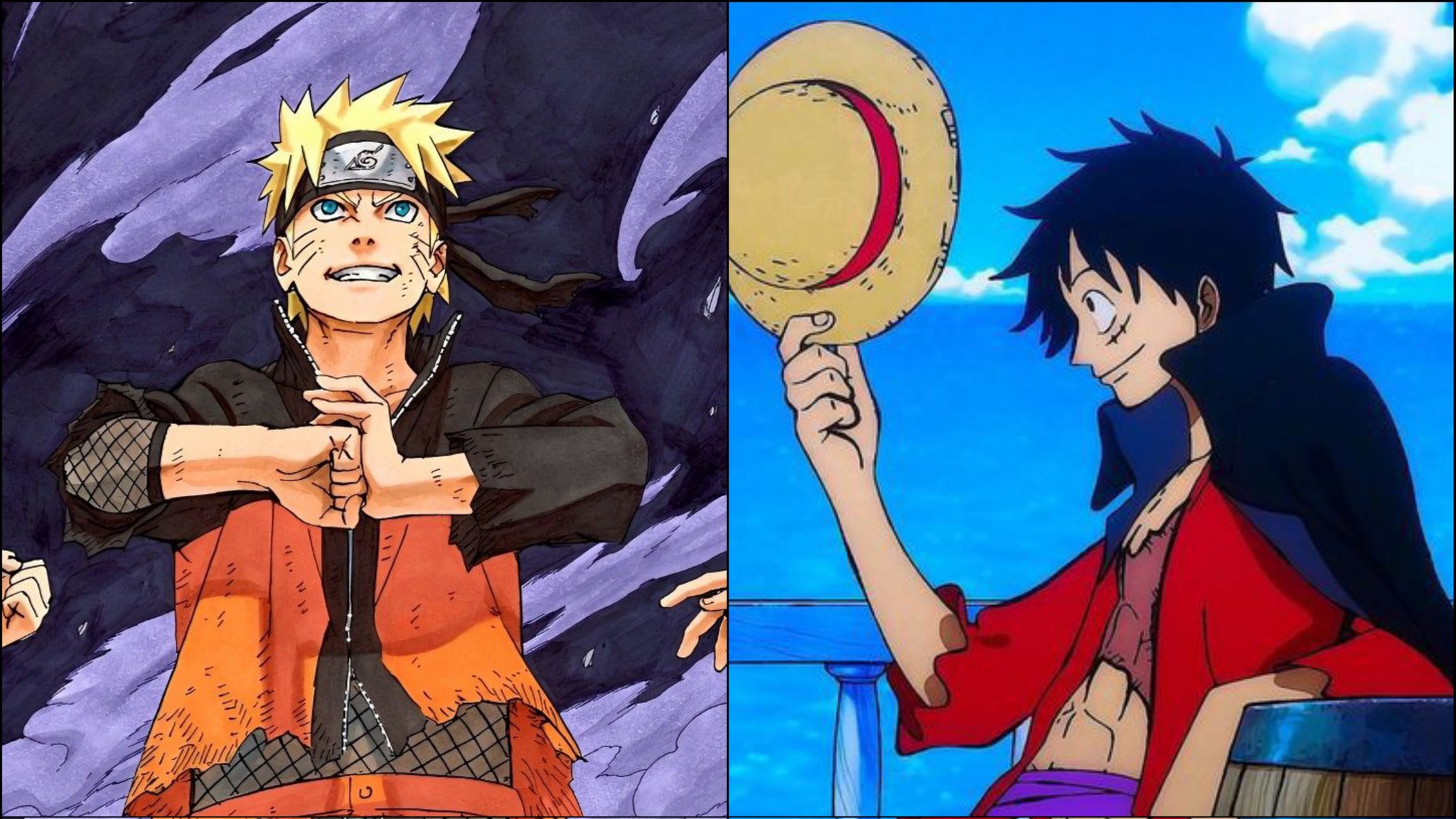
From anime favorites in Tokyo to CGI hits in Los Angeles, animators are beginning to speak publicly about an industry on the edge. Reddit threads, insider posts, and leaked studio memos reveal a storm of burnout, outsourcing, and closures that threaten the talent behind modern animated art.
The shimmer and magic on screen hide a sobering truth: many of the artists creating these worlds can barely afford to keep going.
The Erosion of the Studio Dream
For decades, animation was seen as a dream job for storytellers who wanted to bring imagination to life. But according to discussions on Reddit’s r/animationcareer and r/vfx forums, those dreams now feel increasingly out of reach.
Users describe working months of unpaid overtime, sometimes clocking 90-hour weeks on major projects just to meet deadlines.

In a 2025 discussion titled “State of Animation,” one poster described how the streaming bubble ruptured, leaving smaller studios scrambling for funding. Productions once fully staffed now rely heavily on short-term freelance contracts with uncertain pay.
A senior animator commented that younger workers often accept impossible conditions simply to build a résumé, creating an endless “cycle of new hires replacing burned-out staff.”
In Montreal, a contributor reported a dramatic collapse in job numbers, from 8,000 workers in 2022 to less than 2,000 projected for 2025. “Fewer projects, more outsourcing, and zero job security,” one comment read. “You’re constantly one quarter away from unemployment.”
Worker Voices from the Production Line
Among the most discussed studios online is MAPPA, the Japanese powerhouse behind Attack on Titan and Jujutsu Kaisen.
Recent Reddit threads and local media accounts cite anonymous animators describing crushing deadlines, poor communication, and pay so low that they rely on side jobs. One reported earning the equivalent of $200–$300 monthly despite working twelve-hour days.
Other contributors highlighted similar issues at Western studios. A worker at a major American animation company noted that even projects funded by streaming giants were caught in layoffs and “quiet freezes.”
“It’s not that people aren’t watching animation,” they wrote. “It’s that budgets are shrinking while expectations keep growing.”
Also Read: Warner Bros. Discovery’s Firm Stance Against Israeli Film Boycott: What It Means for Hollywood and Beyond
The emotional strain runs deep. Threads are filled with artists debating whether to leave the industry altogether, while others express guilt for even considering quitting something they once loved.
A Redditor named CVfxReddit shared they were told to “Survive Until 2025” after being laid off in mid-2024. Many echoed the sentiment: the industry’s motto is no longer about passion but survival.
Outsourcing: The Corporate Shortcut
One of the most contentious debates on Reddit centers around outsourcing. As large studios cut costs, entire animation sequences are sent overseas to Canada, India, and Southeast Asia.
A viral r/FilmIndustryLA discussion bluntly stated: “Studios are outsourcing everything except voice acting.”
In another thread, ForeverBlue101_303 pointed out that outsourcing creates legal and ethical loopholes. Studios can circumvent union standards by producing abroad, where minimum wages and overtime protections differ widely.
That same user noted DreamWorks’ decision to shift production of The Wild Robot was the latest step toward outsourcing entire film pipelines.
Animators worry that such moves erode quality and community. As one Redditor wrote, “It’s not just cheaper pay, it’s the loss of creative collaboration.” Separate discussions described studios purposely fragmenting scenes across multiple companies to meet contracts, leaving artists disconnected from their work’s final form.
At the same time, outsourcing has fueled a race to the bottom for wages. When work migrates abroad, domestic animators face downward pressure to accept similar rates or risk being replaced altogether.
The Crunch Culture Paradox
Beyond layoffs and outsourcing, the issue of crunch culture remains deeply rooted. According to a 2024 article cited across Reddit threads, anime professionals reported working an average of 225 hours per month.
This isn’t simply a Japanese problem; animators from California to London describe nights spent sleeping in offices or finalizing shots minutes before international releases.
Several posts compared the situation to early 2000s video game scandals when overwork letters exposed extreme crunch at Electronic Arts and Rockstar.
Yet despite two decades of discussion, conditions have scarcely improved. Studios reward teams that meet impossible deadlines but rarely account for burnout’s long-term consequences.
MAPPA’s vice president recently admitted that “animation is hard work,” adding that changes must come faster than before. Despite his words, many workers feel promises of reform remain symbolic until union protections expand globally.
The Fallout: Closure and Silence
The collapse isn’t limited to small independent teams. In early 2025, Reddit users tracked multiple closures and mass layoffs at major animation firms, including Vancouver-based Reel FX.
According to contributors with local connections, hundreds were let go quietly with minimal press coverage. One user questioned why an industry generating billions in revenue can discard talent so casually.
Many point to the streaming recession as the tipping point. Studios produced far more shows than platforms could market effectively.
When viewership numbers failed to meet targets, active productions were frozen mid-cycle, leaving animators unpaid for completed sequences. An r/animationcareer user summarized it best: “We didn’t fail as artists; they failed to plan reality.”
Some threads proposed grassroots unionization, referencing the success of the Writers Guild of America. Others pushed for transparency in production budgets, arguing that studios hide labor costs behind vague “service contracts.” Yet, most users admit the system feels too entrenched for quick reform.
What Animators Want You to Know
Scrolling through hundreds of comments, one message becomes consistent: animation is not dying, it’s being drained.
Animators remain passionate but exhausted, caught between tight deadlines, shrinking budgets, and creative invisibility. The anonymous stories shared online form a collective plea for empathy and accountability.
Reddit users call for audiences to support union-backed productions and to recognize the people behind their favorite series. As one artist wrote on r/vfx: “Every frame you love came from someone who probably missed sleep, meals, or rent for it.”
Independent voices offer a glimmer of hope. Small collectives and remote freelancers are building support networks through online communities, keeping artistry alive even as corporate structures falter.
Passion projects produced entirely online have begun to rival mainstream series in cultural reach, proving that creativity still thrives even under pressure.
Is Recovery Possible?
The path forward depends on whether studios finally prioritize workers over volume. Discussions on r/animationcareer argue that rebalancing the industry means fewer projects, better funding distribution, and sustainable pacing.
Without reform, another generation may exit animation entirely, taking decades of skill with them.
The Reddit posts surrounding layoffs reveal something profound: the artistry that shapes our favorite films is at war with the system that funds it.
Every canceled project, every freelancer left unpaid, leaves a scar invisible to viewers. Yet through every story shared, one idea endures: people still believe in animation’s potential, even if the system doesn’t.
Also Read: Ryan Seacrest and the Joy Forum: Hollywood Faces Backlash Over Saudi Entertainment Ties