Anime reaction channels are facing renewed pressure on YouTube as multiple creators report receiving large numbers of copyright strikes and takedown notices. The dispute has brought attention to the difficult line between transformative reaction content and videos that copyright enforcement companies argue effectively reproduce paid anime episodes.
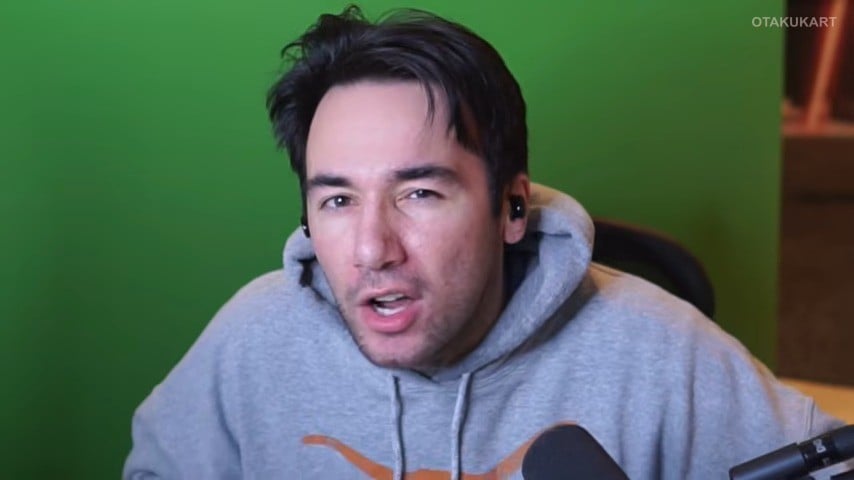
The latest controversy centers on YouTuber Nicholas Light, whose channel has more than 1.3 million subscribers. Light said his videos were targeted by Remove Your Media, a company that handles copyright enforcement and says it works with anime clients including Crunchyroll and VIZ Media.
Nicholas Light Says More Than 60 Videos Were Temporarily Removed
Light publicly raised the alarm on September 6 with a video titled “My Channel will be Deleted Today,” claiming that his channel had received more than a dozen copyright strikes. According to his account, more than 60 videos were temporarily removed before YouTube later reversed the strikes and told him his channel would not be deleted.
In comments provided to The Verge, Light said copyright disputes are already a familiar problem for reaction creators but argued that the latest enforcement campaign has gone much further than normal.
“I think [Remove Your Media is] trying to get the attention of these companies, to hopefully get hired by them,”
Light told The Verge. He argued that the company’s approach is damaging both creators and the organizations whose intellectual property it is attempting to protect.
Light is not the only creator reporting problems. Ron and Michelle Jackson, who operate the Rice & Ginger YouTube channel, also warned that their account faced possible deletion after receiving hundreds of copyright-related flags.
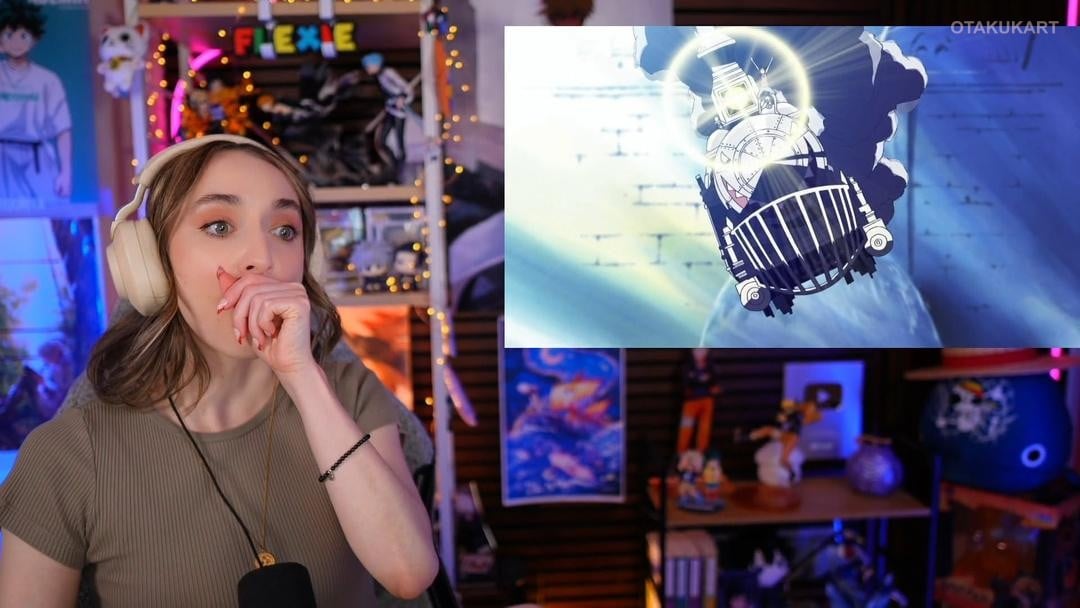
The dispute has become particularly complicated because anime reaction videos can vary significantly in how much copyrighted footage they contain. Some creators use short clips while providing continuous commentary, whereas others show substantial portions of episodes, sometimes behind Patreon paywalls.
Remove Your Media Disputes Creators’ Fair Use Arguments
Remove Your Media has rejected the idea that commentary automatically makes these videos transformative. Legal representative Evan F. Stone told The Verge that the company believes some reaction channels reproduce entire copyrighted works and can provide viewers with an alternative to legally licensed versions.
“Commentary, in this context, does not make the use transformative,”
Stone said, arguing that some videos contain entire episodes and can affect the market for officially distributed versions.
The company also argues that some creators use YouTube reaction videos to direct audiences toward paid Patreon content containing similar material. From its perspective, that commercial model can strengthen the case for copyright enforcement rather than fair use.
However, the creators maintain that reaction content provides commentary, entertainment and promotion for anime series. Light argued that reaction channels can introduce viewers to shows they might otherwise never discover, particularly because he believes anime companies have historically had limitations in promoting their titles outside Japan.
Neither VIZ Media nor Crunchyroll confirmed to that Remove Your Media is working for them, despite the company’s claim that they are among its anime clients.
YouTube Says It Does Not Decide Whether Content Is Fair Use
YouTube has largely positioned itself as an intermediary in these disputes rather than the final authority on copyright ownership or fair use.
YouTube communications manager Jack Malon told The Verge that the platform does not determine who legally owns copyrighted material. When YouTube receives what appears to be a valid copyright removal request, it can remove the content to comply with copyright law, while creators who believe their videos were wrongly removed can submit a counter notification.
YouTube’s official copyright guidance confirms that creators can submit counter notifications when they believe a removal was a mistake or that their content qualifies for an exception such as fair use. If a valid counter notification is forwarded to the claimant, the claimant generally has 10 US business days to provide evidence of legal action or the content may be reinstated.
The dispute highlights a growing challenge for anime creators on YouTube. Reaction videos remain popular, but creators increasingly have to consider how much copyrighted footage they use, whether viewers could consume the reaction as a substitute for the original and how their videos are monetized.
For now, anime reaction channels remain online, but the conflict between creators, copyright enforcement companies and rights holders could determine how this increasingly popular form of fan content develops.