Japan’s anime industry is facing a long-term challenge that extends beyond its current shortage of animators. While demand for Japanese animation continues to grow worldwide, industry leaders are increasingly concerned about what happens when the experienced creators currently supporting productions begin to retire.
Ayano Fukumiya, managing director of the Nippon Anime & Film Culture Association (NAFCA), warned that the industry could struggle to maintain its traditional production standards without stronger systems for training younger animators. Her comments were included in a recent report by The Japan Times.
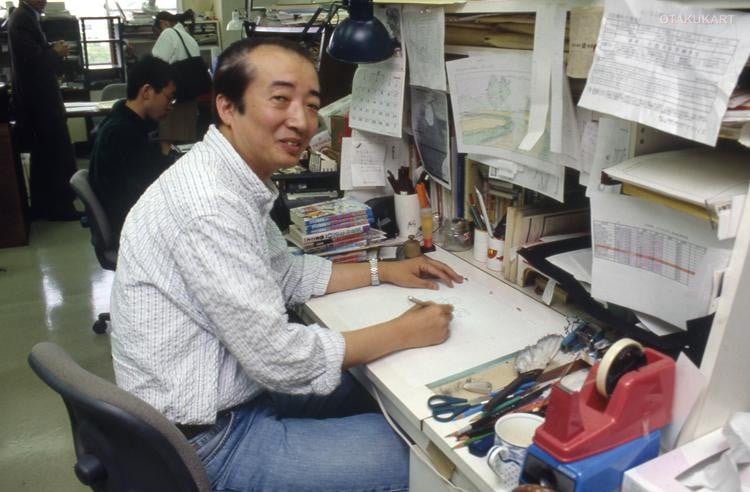
“There are many people in their 50s, 60s and 70s supporting the industry right now, and our worry is that when they retire, Japanese animation won’t be able to be made as it was before,”
Fukumiya said.
The warning highlights a problem that could become increasingly difficult for anime studios as Japan’s working-age population shrinks.
Anime’s Veteran Creators Are Carrying Knowledge the Industry Needs
For decades, much of the technical knowledge required to produce anime has been passed directly from experienced animators to younger workers. However, the rapid expansion of anime production has made that traditional system harder to maintain.
Fukumiya explained that senior animators became increasingly busy as the number of anime productions expanded during the 2000s. As a result, they had less time to teach newcomers the skills needed to enter and progress through the industry.
This creates a difficult cycle. Studios need experienced workers to train new talent, but those same veterans are already heavily involved in production. As older creators eventually leave the workforce, there is a risk that some specialized knowledge could become harder to replace.
The Japan Animation Creators Association (JAniCA) also continues to track these changes through its industry surveys. Its latest 2026 survey collected 983 valid responses from people working across Japan’s commercial animation industry.
Studios Are Beginning to Invest More in Training
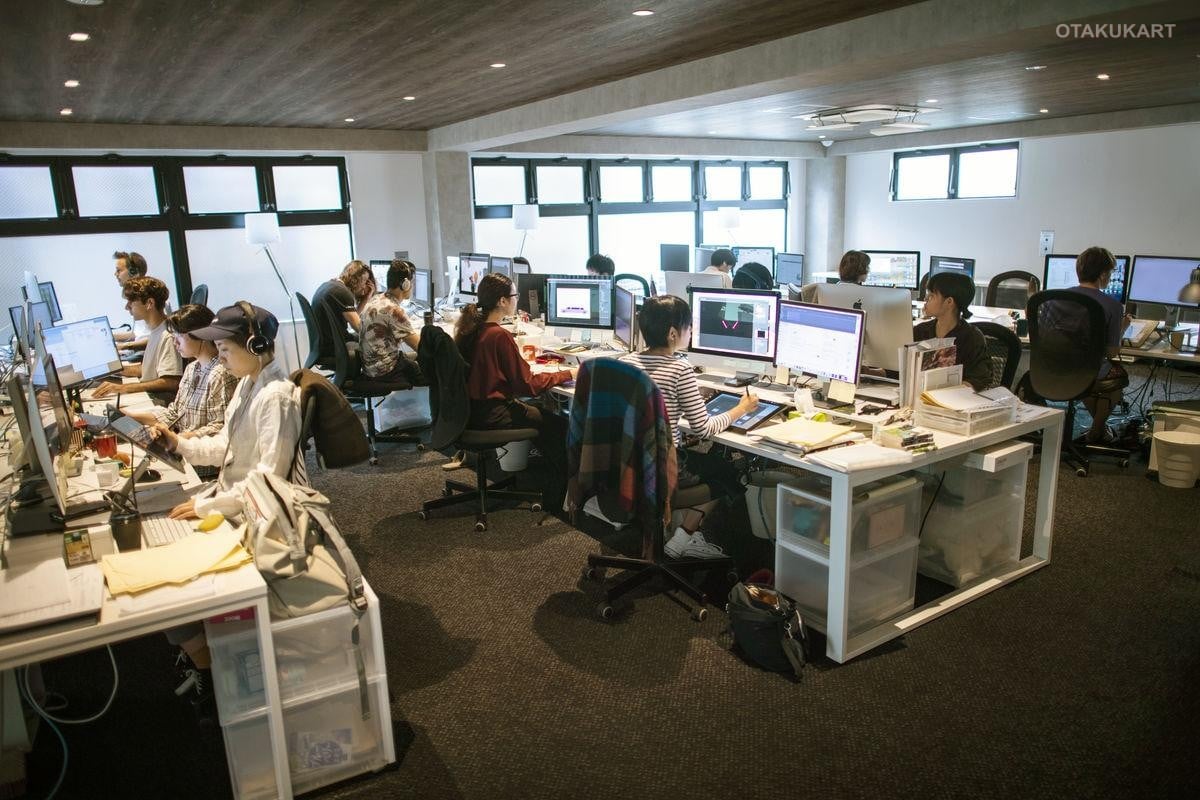
The industry’s growing awareness of the problem has encouraged some companies to establish dedicated training programs. According to Fukumiya, studios have become more willing in recent years to invest in developing new talent rather than relying entirely on experienced freelancers.
This represents a significant change from the industry’s traditional employment structure. Studios previously had less incentive to spend heavily on training because newly trained animators could eventually leave for freelance work or another company.
That attitude is becoming harder to maintain as competition for skilled workers increases.
The latest JAniCA research also points to broader changes in employment conditions. The organization conducted its 2026 survey as part of research involving Japan’s Agency for Cultural Affairs and Ministry of Economy, Trade and Industry, with the goal of understanding current conditions for animation creators.
The Next Generation Could Determine Anime’s Future
Japan’s animation industry now has to solve two problems at once: meeting rising demand for anime while ensuring enough skilled creators are available to produce it.
The challenge is particularly important because animation depends on specialized skills that can take years to develop. If studios cannot train enough replacements before experienced creators retire, production schedules and quality could face additional pressure.
For Fukumiya and other industry advocates, strengthening education and mentorship is therefore not simply about creating more jobs. It could determine whether Japan can maintain the production expertise and distinctive animation techniques that helped establish its global reputation.
With veteran creators continuing to leave the industry in the coming years, the success of today’s training programs could become one of the most important factors shaping the future of Japanese anime.