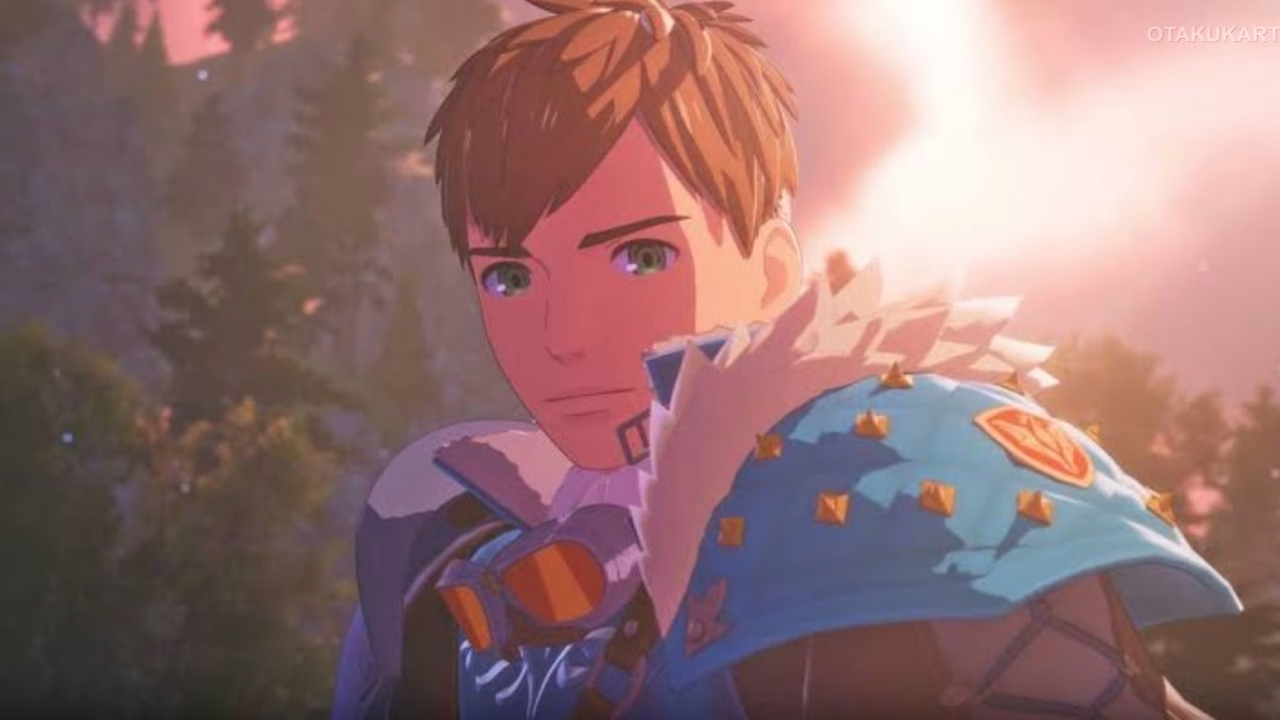
Capcom’s Monster Hunter Stories 3: Twisted Reflection marks a significant departure from its predecessors by introducing a fully voiced protagonist for the first time in the spin-off series. While the franchise has traditionally relied on silent player characters, director Kenji Oguro says the latest game demanded a different approach to better serve its more mature narrative.
In an exclusive interview with Gamer Braves, discussing the game’s creative direction, Oguro explained that the decision was driven by the team’s ambition to tell a more emotionally engaging story centered on an experienced Rider rather than another coming-of-age adventure. The change has become one of the defining features of Twisted Reflection, which launched recently across multiple platforms.
A voiced protagonist was chosen to strengthen the story
According to Oguro, the narrative direction of Monster Hunter Stories 3 naturally led the team toward giving its protagonist a voice. Unlike the younger heroes featured in previous entries, the new lead begins the journey carrying emotional scars and greater life experience, requiring more expressive storytelling.
Explaining the team’s vision, Oguro said:
“With that framework, we felt that having the protagonist express their own emotions through full voice acting would allow us to craft a much deeper story, and ultimately help players empathize with them on a more profound level.”
The director noted that the goal was not simply to modernize the series but to build a stronger emotional connection between players and the protagonist. By allowing the main character to communicate directly through voiced dialogue, the development team believed players would better understand the character’s motivations, struggles, and growth throughout the adventure.
Why players can’t customize the protagonist’s voice
Although Twisted Reflection allows players to customize their protagonist’s appearance, the team ultimately decided against offering multiple voice options.
Oguro revealed that voice customization was actively explored during development before being abandoned because it diminished the quality of the performances.
“While it wasn’t impossible to make the voice customizable as well, artificially or mechanically altering the audio pitch would end up ruining the unique charm and expressive nuances that the voice actors bring to the table. We actually ran tests on this, but the results just weren’t very good.”
Instead, the developers prioritized authentic voice performances over expanded customization. Even after making that decision, Oguro admitted he remained uncertain until seeing the feature fully implemented.
“That anxiety instantly turned into a conviction that we had made the right choice. Knowing that our players have connected with that same conviction is exactly why I feel both the happiness and the relief.”
Storytelling philosophy shaped more than just the protagonist
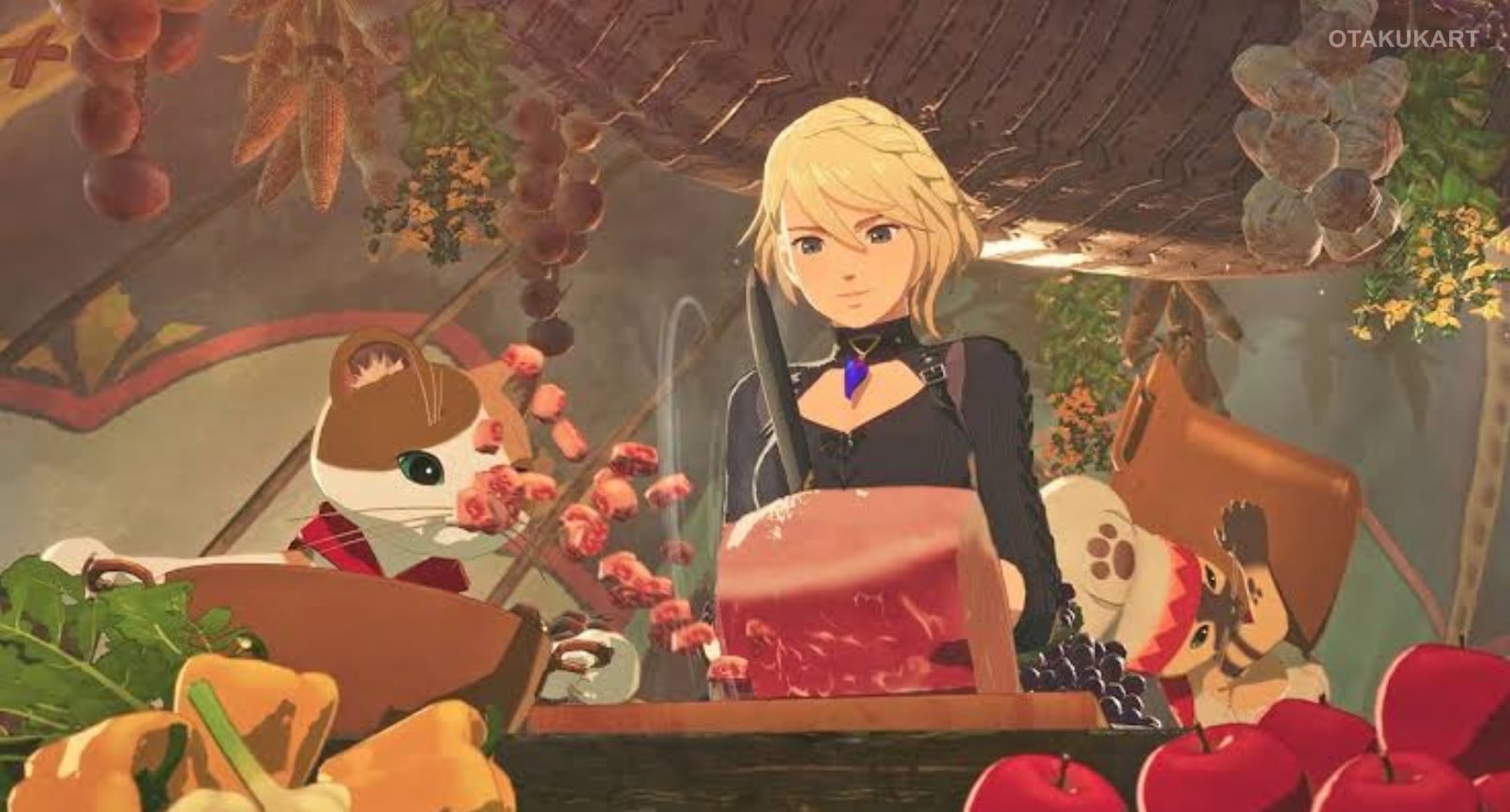
The interview also offered insight into several other creative decisions behind Twisted Reflection. Oguro explained why the mysterious land of Vermeil is referenced throughout the story without ever becoming a playable location. According to him, keeping the narrative centered on Azuria allowed the player to remain closely aligned with the protagonist’s perspective, a philosophy he considers fundamental to game design.
Lead Game Designer Daisuke Wakahara also discussed why the game features a more selective monster roster. Rather than importing every creature from previous entries, the team rebuilt the lineup from scratch on a new engine, ensuring every monster contributed meaningfully to combat, exploration, and regional identity.
That same philosophy influenced the Habitat Restoration system. Wakahara explained that Deviant Monsters and certain Elder Dragons were intentionally excluded because supporting them would have significantly increased development complexity. Likewise, Invasive Monsters cannot be recruited as Monsties because doing so would conflict with the Ranger’s role as a protector of local ecosystems.
Building the future of the Stories series
The development team also spoke about preserving the unique identity of the Stories franchise. Rather than introducing traditional evolution mechanics found in many monster-collecting games, the developers created the new Mutation system to represent growth while remaining faithful to established Monster Hunter lore.
Art Director Kawano Takahiro highlighted another fan-favorite feature: baby monsters. He explained that showing juvenile versions of iconic creatures helps reinforce that monsters are living beings, while encouraging players to develop stronger emotional bonds with their Monsties.
Looking toward the future, Oguro reflected on how far the series has evolved across three games and expressed excitement about continuing that progression. With its darker narrative, fully voiced protagonist, and carefully considered gameplay changes, Monster Hunter Stories 3: Twisted Reflection represents the team’s most ambitious vision for the franchise to date.