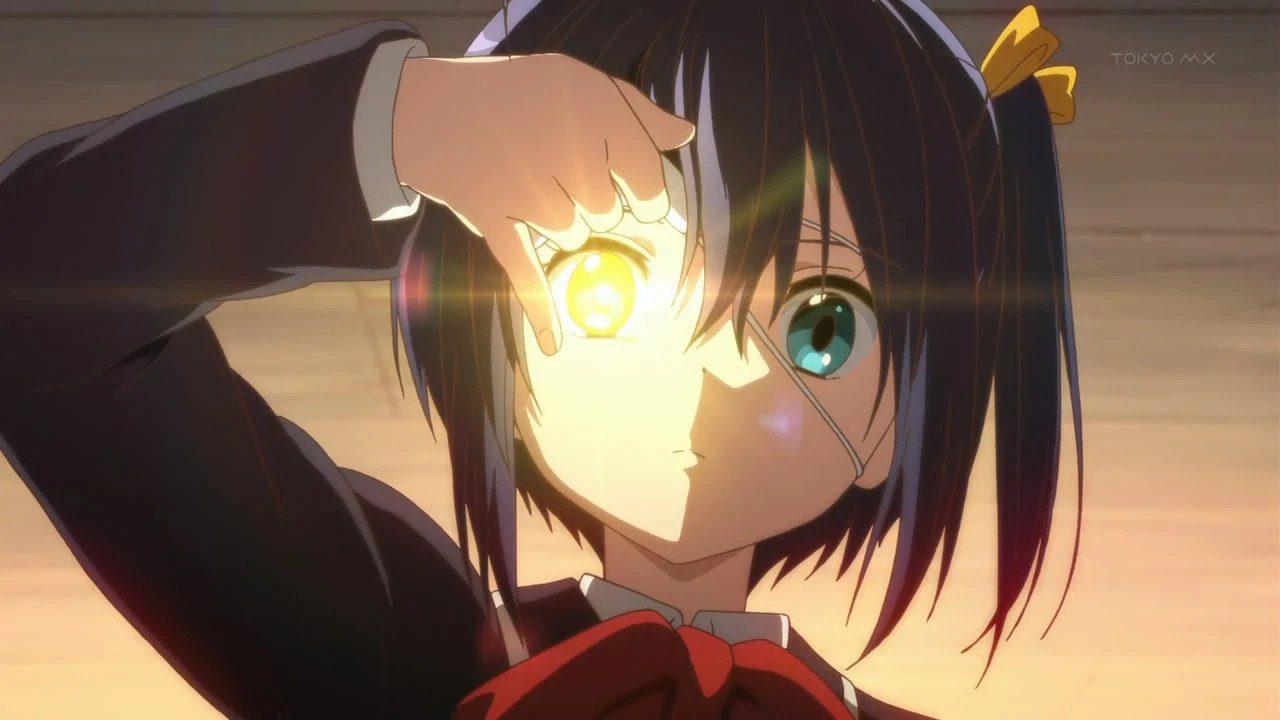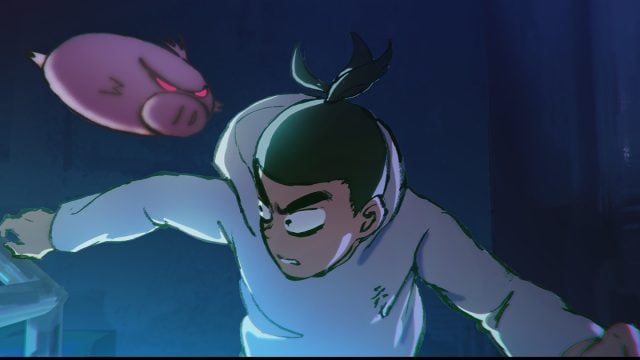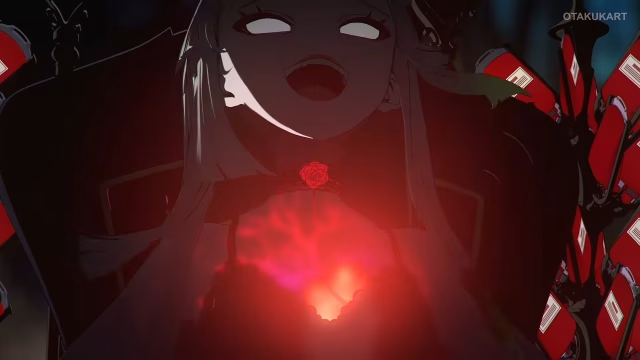

For much of the 2000s and early 2010s, the global anime conversation was dominated by what fans famously called the “Big Three”: Naruto, Bleach, and One Piece.
These long-running battle shonen defined weekly anticipation, sustained multi-hundred-episode arcs, and international fandom expansion. They were not simply popular, they were structurally dominant, shaping how anime was consumed outside Japan.
However, as serialization models evolved, streaming platforms expanded, and seasonal production cycles became standard, the industry shifted.
The era of three monolithic, simultaneous titans gave way to a rotating landscape of breakout hits. Rather than a fixed trio, the modern era is defined by waves of series that capture global attention for shorter but more intense cultural cycles.
The following fifteen anime did not replicate the “Big Three” formula directly. Instead, they redefined what dominance looks like in a streaming-first, globally synchronized industry.
1. Attack on Titan
Attack on Titan was the first anime to convincingly signal the end of the traditional “Big Three” dominance model. Premiering in 2013, it proved that a tightly produced seasonal series could command global attention at a scale once reserved for long-running weekly giants.
Unlike the optimistic adventure tone associated with earlier shonen staples, Attack on Titan leaned into political allegory, moral ambiguity, and existential horror.
Its cinematic production values, large-scale battles, and evolving narrative complexity created sustained international discussion between seasons.
Rather than relying on hundreds of consecutive episodes, it built anticipation through carefully structured arcs and multi-year hype cycles. Characters like Eren Yeager became polarizing cultural touchpoints, reinforcing that modern anime audiences were ready for darker, ideologically layered storytelling.
In many ways, Attack on Titan redefined mainstream anime success, prioritizing intensity, thematic maturity, and global streaming momentum over sheer episode count.
2. My Hero Academia
My Hero Academia emerged as one of the clearest spiritual successors to the “Big Three” formula while simultaneously adapting it for the streaming era.
Debuting in 2016, it reintroduced many of the structural elements that defined earlier shonen dominance, rivalries, training arcs, tournament battles, and generational mentorship, but packaged them into tightly produced seasonal blocks rather than continuous weekly serialization.
Izuku Midoriya’s journey from powerless outsider to inheritor of One For All mirrored the aspirational growth arcs that once propelled Naruto and Ichigo.

However, My Hero Academia distinguished itself through its superhero framework, blending Western comic influences with Japanese battle-shonen conventions. Its global accessibility, large ensemble cast, and strong merchandise ecosystem helped it sustain international visibility across multiple seasons.
While it did not monopolize the market alone, My Hero Academia demonstrated that character-driven hero narratives could thrive in the post–Big Three era through structured seasonal momentum rather than uninterrupted longevity.
3. Demon Slayer: Kimetsu no Yaiba
Demon Slayer: Kimetsu no Yaiba redefined commercial dominance in the post–Big Three landscape. Premiering in 2019, it combined emotionally direct storytelling with industry-leading animation quality, particularly in its fluid combat choreography and cinematic presentation.
While its narrative structure remained relatively traditional, a determined protagonist, escalating demon antagonists, and clear moral stakes, it executed those elements with exceptional polish.
What truly elevated Demon Slayer beyond seasonal success was the unprecedented performance of Mugen Train, which became one of the highest-grossing anime films in history.

This achievement demonstrated that modern anime franchises could rival mainstream theatrical releases globally. Instead of relying on long-running weekly serialization, the series leveraged high-production seasonal arcs and event-level movie releases to maintain momentum.
In doing so, Demon Slayer proved that dominance in the new era could be driven by concentrated spectacle, global box-office power, and synchronized international streaming reach rather than sheer episode volume.
4. Jujutsu Kaisen
Jujutsu Kaisen quickly established itself as one of the defining battle shonen of the post–Big Three era. Premiering in 2020, it blended supernatural horror aesthetics with high-speed, technically choreographed combat.
While it retained familiar genre structures, student sorcerers, escalating curses, mentor figures, it distinguished itself through darker tonal shifts and morally complex antagonists.

The Shibuya Incident arc in particular functioned as a cultural flashpoint, generating weekly global discourse comparable to peak moments from earlier long-running series. Characters such as Gojo Satoru became immediate pop-cultural icons, amplifying the show’s mainstream reach.
Rather than relying on continuous weekly broadcasting, Jujutsu Kaisen sustained momentum through carefully timed seasonal releases and a highly successful prequel film.
Its commercial performance, streaming dominance, and global fan engagement demonstrated how modern battle anime could achieve Big Three–level visibility within a compressed, high-impact production model.
5. Hunter x Hunter
Although the original manga predates much of the “Big Three” era, the 2011 adaptation of Hunter x Hunter played a critical transitional role in redefining mainstream shonen storytelling.
Rather than emphasizing endless escalation or conventional power scaling, the series prioritized strategic combat systems, psychological depth, and moral ambiguity, particularly during the Chimera Ant arc.
This arc demonstrated that battle shonen could explore existential themes, political conflict, and character deconstruction without sacrificing mainstream appeal. Gon’s transformation, for instance, subverted traditional heroic expectations and signaled a tonal maturity that resonated with a post–Big Three audience.

The 2011 adaptation also benefited from consistent production quality and global streaming access, allowing new generations of viewers to experience a more layered and analytical version of shonen action. In doing so, Hunter x Hunter influenced the creative direction of many modern successors in the evolving anime landscape.
6. Black Clover
Black Clover is often viewed as one of the closest structural successors to the traditional “Big Three” formula. Premiering in 2017, it embraced long-form storytelling, sustained weekly broadcasting, and a clear rival dynamic between Asta and Yuno, elements that strongly echoed earlier shonen staples.
At a time when many anime were shifting toward shorter seasonal formats, Black Clover maintained the extended episode model, helping preserve that sense of continuous progression.

While its early reception was mixed, the series gradually built momentum through consistent character development, large-scale magic battles, and expanding world-building. The Magic Knight squads functioned similarly to the organizational systems seen in earlier dominant franchises, giving audiences a broad ensemble to invest in.
Although it never monopolized the industry alone, Black Clover demonstrated that the long-running battle shonen format could still thrive in a streaming-driven era, bridging the structural gap between old and new models of anime dominance.
7. Tokyo Ghoul
Tokyo Ghoul represented a tonal shift during the transition away from the “Big Three” era. Premiering in 2014, it captured a generation of viewers drawn to darker aesthetics, psychological trauma, and morally ambiguous protagonists.
Unlike traditional battle shonen driven by camaraderie and perseverance, Tokyo Ghoul centered on identity crisis, alienation, and survival within a hostile society.

Ken Kaneki’s transformation from an ordinary student into a half-ghoul antihero resonated strongly with mid-2010s internet culture. The series became a staple across social media platforms, fan art communities, and soundtrack playlists, extending its cultural footprint beyond weekly episode discussions.
Although later seasons received mixed reception, their initial impact demonstrated that mainstream anime audiences were ready for grittier narratives. In the evolving post–Big Three landscape, Tokyo Ghoul proved that psychological intensity and stylistic edge could drive global popularity alongside traditional power-based storytelling.
8. Fairy Tail
Fairy Tail functioned as a bridge between the “Big Three” era and the evolving modern landscape of anime. While it began during the dominance of long-running shonen giants, it carried forward many of the structural elements that defined that period, expansive world-building, guild-based power systems, extended story arcs, and a large ensemble cast.
The series emphasized themes of friendship, loyalty, and emotional resolve, closely aligning with the tonal foundations established by earlier mainstream battle anime.

Its continuous broadcast model and high episode count reinforced the sense of sustained narrative investment that characterized the Big Three era. Characters like Natsu Dragneel and Erza Scarlet became recognizable figures within global anime fandoms.
Although it did not replace the Big Three individually, Fairy Tail maintained international engagement through consistent action arcs and accessible storytelling, helping sustain large-scale shonen momentum during a period of industry transition toward shorter seasonal formats.
9. Sword Art Online
Sword Art Online marked a major structural shift in anime’s global expansion during the post–Big Three transition. Premiering in 2012, it capitalized on the rising intersection between gaming culture and anime fandom.
Unlike traditional battle shonen rooted in martial arts or supernatural hierarchies, SAO framed its conflict within virtual reality survival mechanics, making it immediately accessible to a generation immersed in MMORPG systems.

Kirito’s solitary power progression and the high-stakes premise of being trapped inside a game created intense early-season momentum, particularly during the Aincrad arc. The series became one of the first major streaming-era anime to achieve rapid international distribution, benefiting from simultaneous online accessibility.
While its structure differed from long-running weekly giants, Sword Art Online demonstrated that concentrated seasonal storytelling combined with cross-media appeal could generate Big Three–level visibility, helping establish the isekai boom as a dominant genre force in the modern era.
10. Fullmetal Alchemist: Brotherhood
Although it aired during the tail end of the “Big Three” era, Fullmetal Alchemist: Brotherhood became a benchmark for narrative cohesion and long-form storytelling done with structural discipline. Rather than extending indefinitely, it adapted its source material faithfully within a defined episode count, delivering a complete and tightly constructed narrative arc.
The series balanced philosophical depth, political intrigue, and character-driven development while maintaining accessible battle mechanics through its alchemy system.

Edward and Alphonse Elric’s journey combined emotional stakes with world-scale conflict, creating a layered narrative that appealed to both casual viewers and analytical audiences.
In the evolving post–Big Three landscape, Brotherhood demonstrated that mainstream dominance did not require endless serialization. Its enduring critical acclaim and consistent placement at the top of global rankings proved that a well-executed, finite adaptation could rival, and in some ways surpass, the cultural staying power of longer-running shonen titans.
11. Mob Psycho 100
Mob Psycho 100 represented a stylistic and thematic departure from the power-escalation formulas that defined the “Big Three” era.
Premiering in 2016, it embraced experimental animation, exaggerated line work, and emotionally introspective storytelling rather than traditional rival-driven dominance arcs. While it features psychic battles and escalating threats, the core narrative centers on personal growth rather than supremacy.

Shigeo “Mob” Kageyama’s journey focuses on emotional maturity, self-control, and identity beyond raw power. This emphasis on internal development marked a shift in what mainstream audiences were willing to engage with. The series proved that spectacle could coexist with restraint and vulnerability.
Produced in tightly structured seasonal installments, Mob Psycho 100 exemplified the modern model of high-impact, limited-run storytelling. Its critical acclaim and global streaming reach demonstrated that anime could redefine dominance through artistic innovation and emotional depth rather than long-term serialization alone.
12. Chainsaw Man
Chainsaw Man signaled a further evolution of mainstream battle anime in the post–Big Three era by prioritizing unpredictability, tonal instability, and psychological subversion. Premiering in 2022, it departed from traditional aspirational hero narratives and instead centered on a protagonist driven by basic survival desires rather than grand ambition.
The series blends graphic violence with dark humor and emotional manipulation, dismantling many of the structural expectations associated with long-running shonen. Rather than emphasizing steady power progression, it focuses on control, trauma, and moral ambiguity. Characters are not protected by narrative conventions, and major developments occur abruptly.

Produced as a high-budget seasonal adaptation with cinematic direction, Chainsaw Man reflects the modern strategy of concentrated impact over prolonged serialization.
Its global anticipation prior to release and immediate online discourse demonstrated that contemporary anime dominance can be driven by stylistic boldness, controversy, and tightly executed adaptation cycles rather than sheer episode count.
13. Haikyuu!!
Haikyuu!! demonstrated that the energy and competitive intensity once monopolized by battle shonen could successfully transition into sports anime.
Premiering in 2014, it revitalized the genre with high-tempo animation, emotionally grounded rivalries, and clearly defined team progression arcs. While it lacked supernatural powers, its matches were structured with the same escalating tension and strategic depth found in traditional combat series.

Shoyo Hinata’s relentless drive and the evolving partnership with Tobio Kageyama created a dynamic comparable to classic shonen rivalries, but within a grounded athletic framework. The series built sustained global engagement through seasonal releases, tournament arcs, and carefully paced character development.
In the post–Big Three landscape, Haikyuu!! proved that mainstream dominance was not limited to fantasy combat narratives. Its international popularity and long-term fan investment highlighted how competitive storytelling, when executed with precision and emotional resonance, could thrive in the modern anime era.
14. The Promised Neverland
The Promised Neverland illustrated how suspense-driven storytelling could command mainstream attention in the post–Big Three era without relying on traditional battle mechanics.
Premiering in 2019, its first season captivated audiences through psychological tension, strategic mind games, and a tightly controlled narrative structure. Rather than escalating through physical confrontations, the series built momentum through planning, deception, and survival stakes.

Emma, Norman, and Ray’s escape from Grace Field House showcased a different type of shonen intensity, one rooted in intellect and emotional resilience. The series benefited from the modern seasonal production model, delivering a focused arc that generated concentrated global discussion across streaming platforms.
Although later adaptation choices divided viewers, its initial impact demonstrated that anime dominance in the new era could emerge from high-concept storytelling and atmospheric execution. It proved that tightly written suspense could rival action-heavy franchises in generating international engagement.
15. Blue Lock
Blue Lock represents a modern reinterpretation of competitive anime within the post–Big Three landscape. Premiering in 2022, it reframed sports storytelling through the lens of psychological elimination and ego-driven evolution. Rather than emphasizing teamwork as the ultimate virtue, the series centers on individual dominance, mirroring battle shonen intensity within a football setting.
Yoichi Isagi’s development parallels classic power-scaling arcs, but instead of supernatural abilities, growth is measured through spatial awareness, tactical evolution, and striker instinct. The high-stakes elimination structure creates sustained tension comparable to combat tournaments, aligning sports competition with survival narrative mechanics.
Produced within the seasonal streaming model, Blue Lock generated significant international traction, particularly during major real-world football events.

Its emphasis on rivalry, ego, and personal supremacy reflects how modern anime can capture mainstream engagement without adhering strictly to fantasy combat traditions, signaling the continued diversification of post–Big Three dominance.
The “Big Three” era represented sustained weekly dominance through length and scale. The modern era is defined by seasonal peaks, global streaming access, and rapidly rotating cultural centers. These fifteen anime did not replicate the old model; they replaced it by redefining what mainstream success in anime looks like today.